Baan Klang, Nakon Phanom, บ้านกลาง, นครพนม
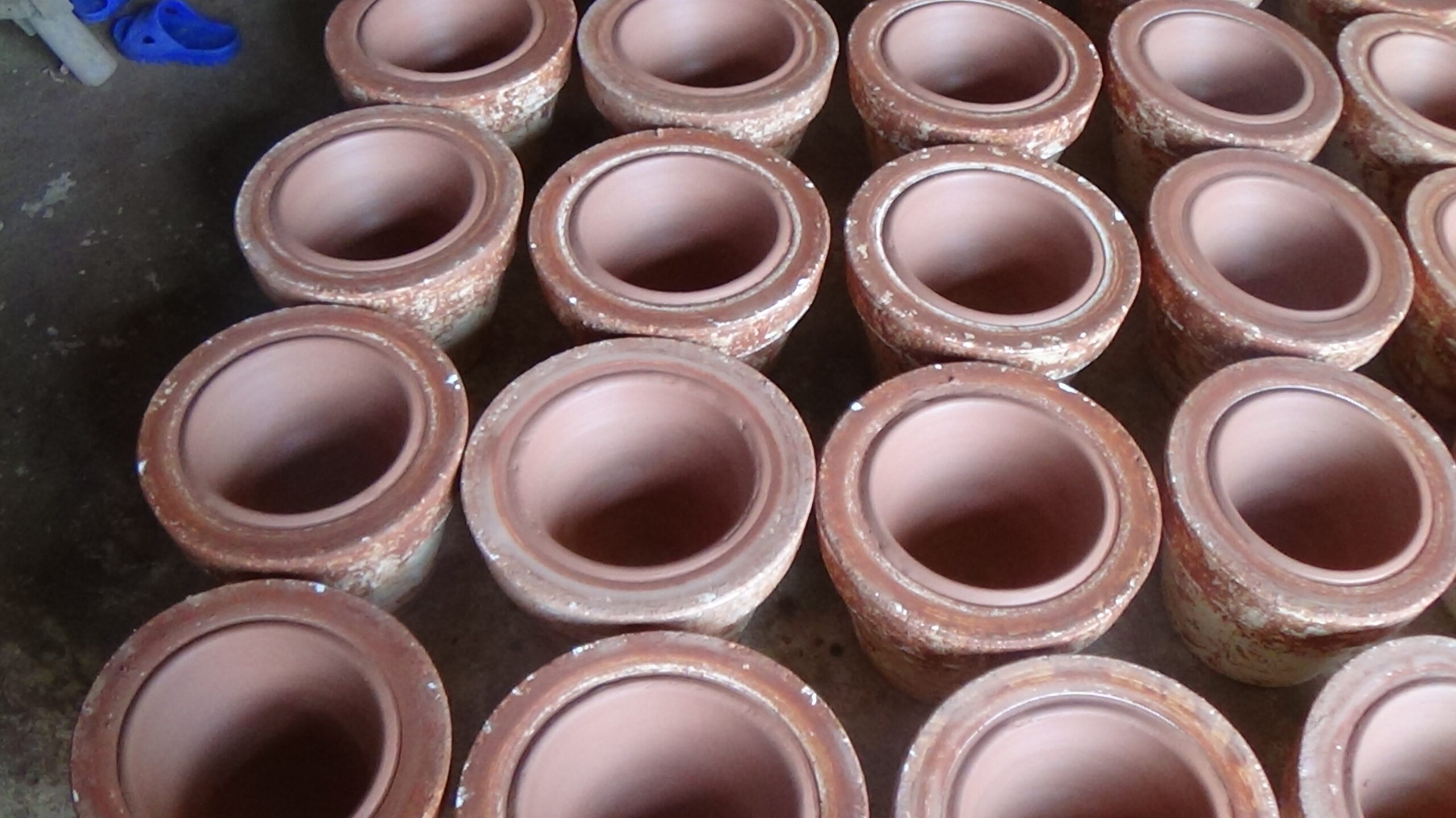
Jiggered Moldsจิกเกอร์ในแม่พิมพ์
Jiggered Mortars in molds. ครกที่ขึ้นรูปด้วยวิธีจิกเกอร์ (jiggering) ในแม่พิมพ์
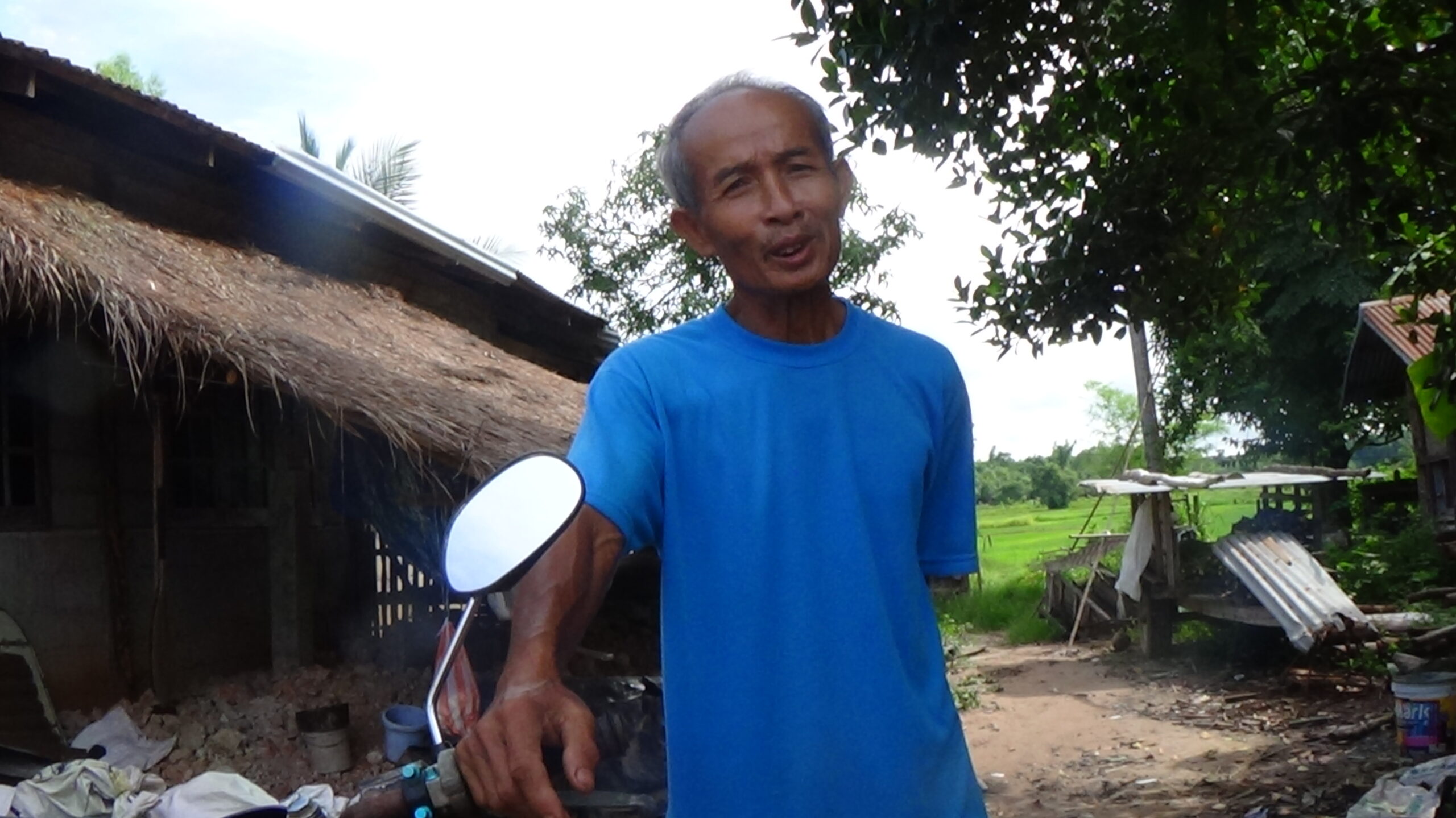
Potterช่างปั้น
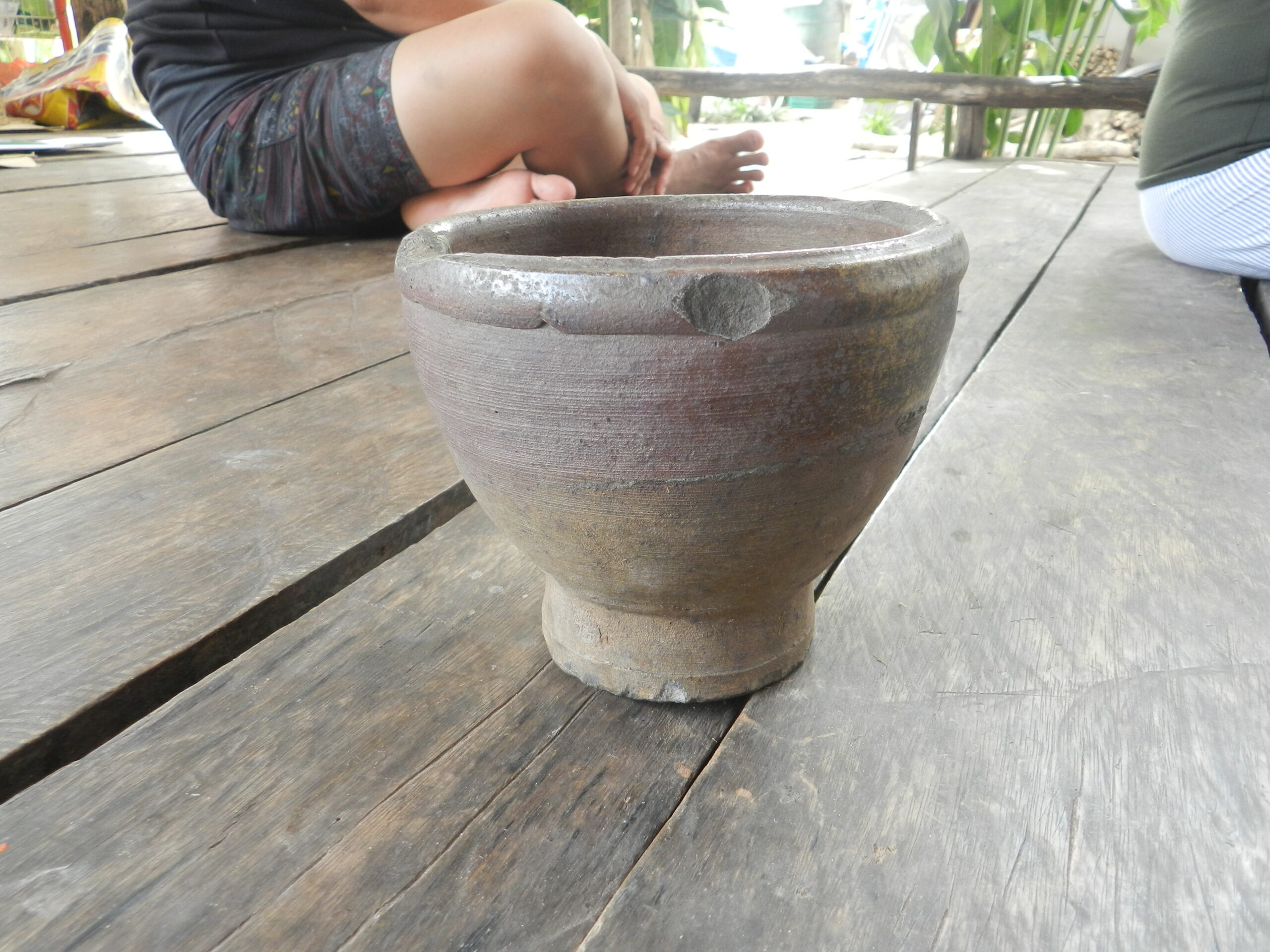
ครกMortar
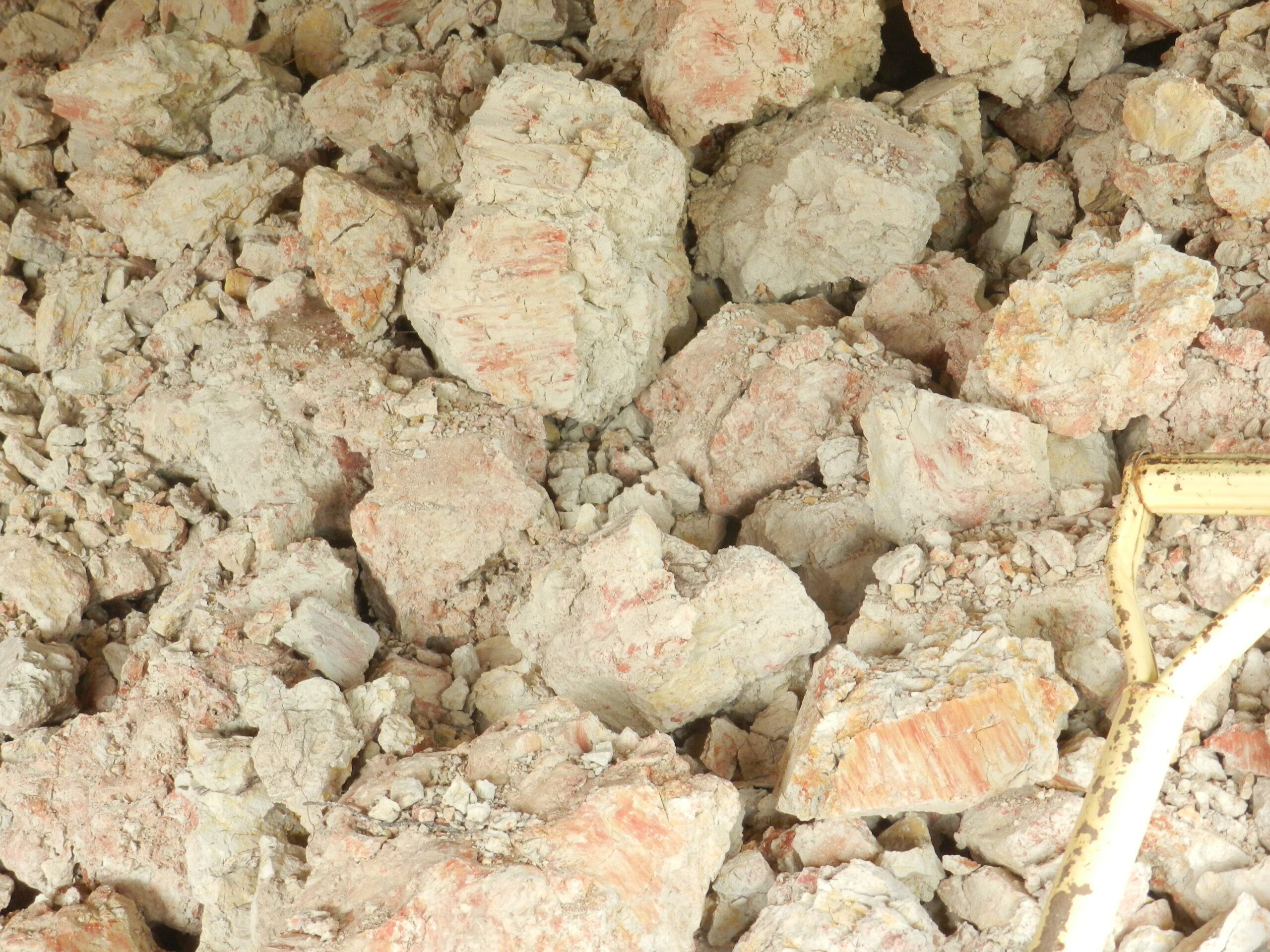
ดินเหนียว Clay
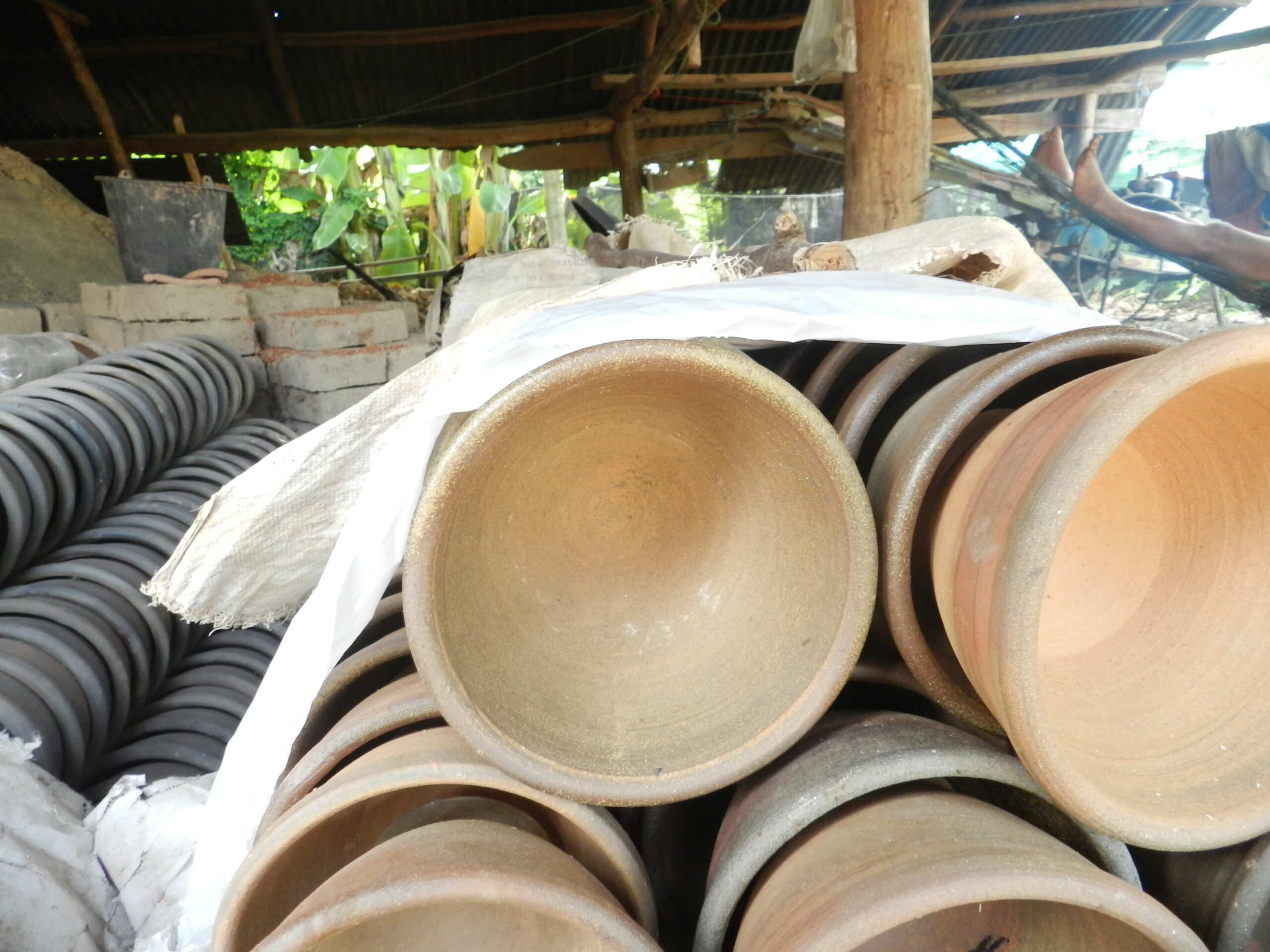
Mortars ready for sale ครกขาย
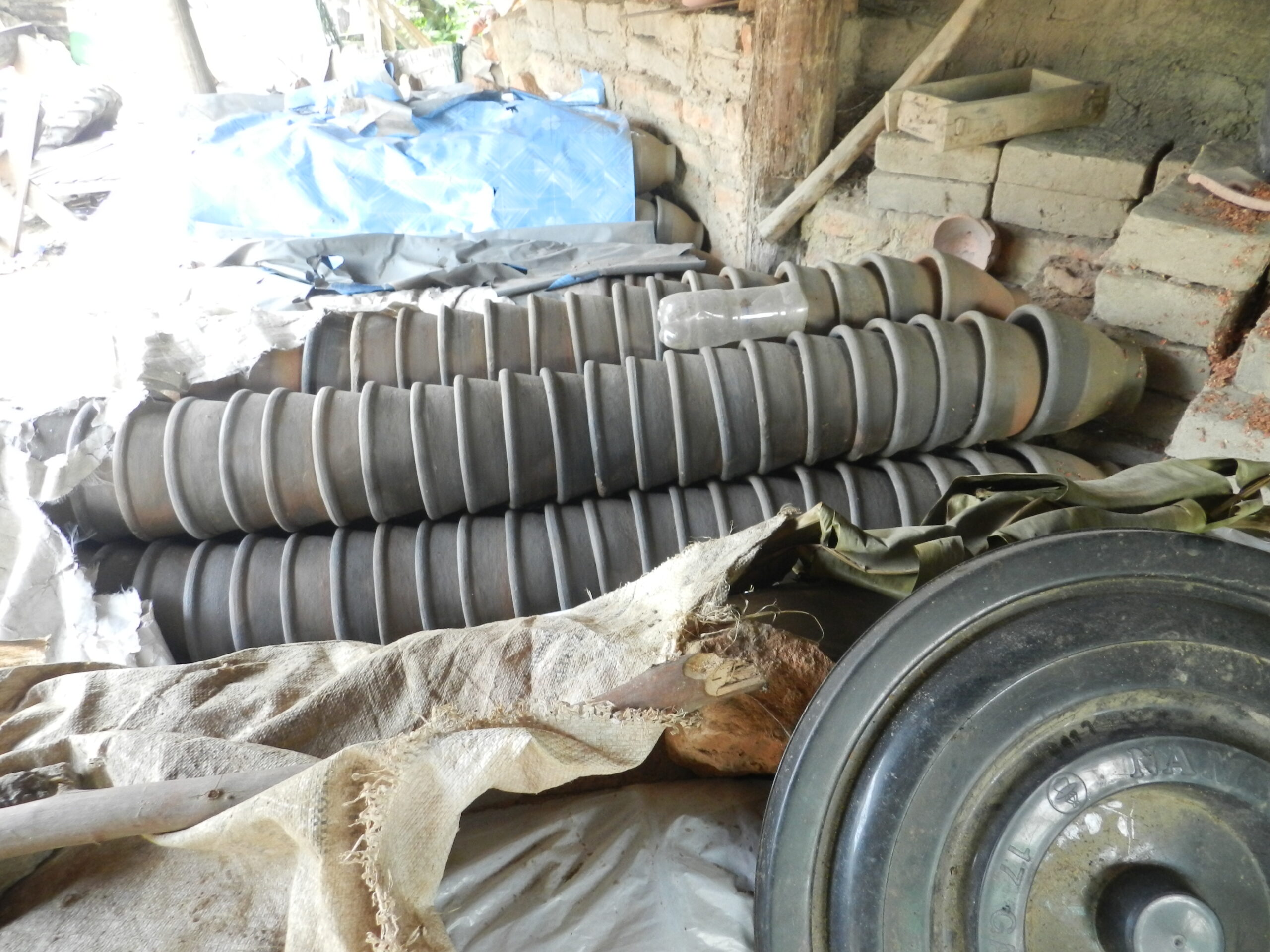
Mortars ready for sale ครกขาย
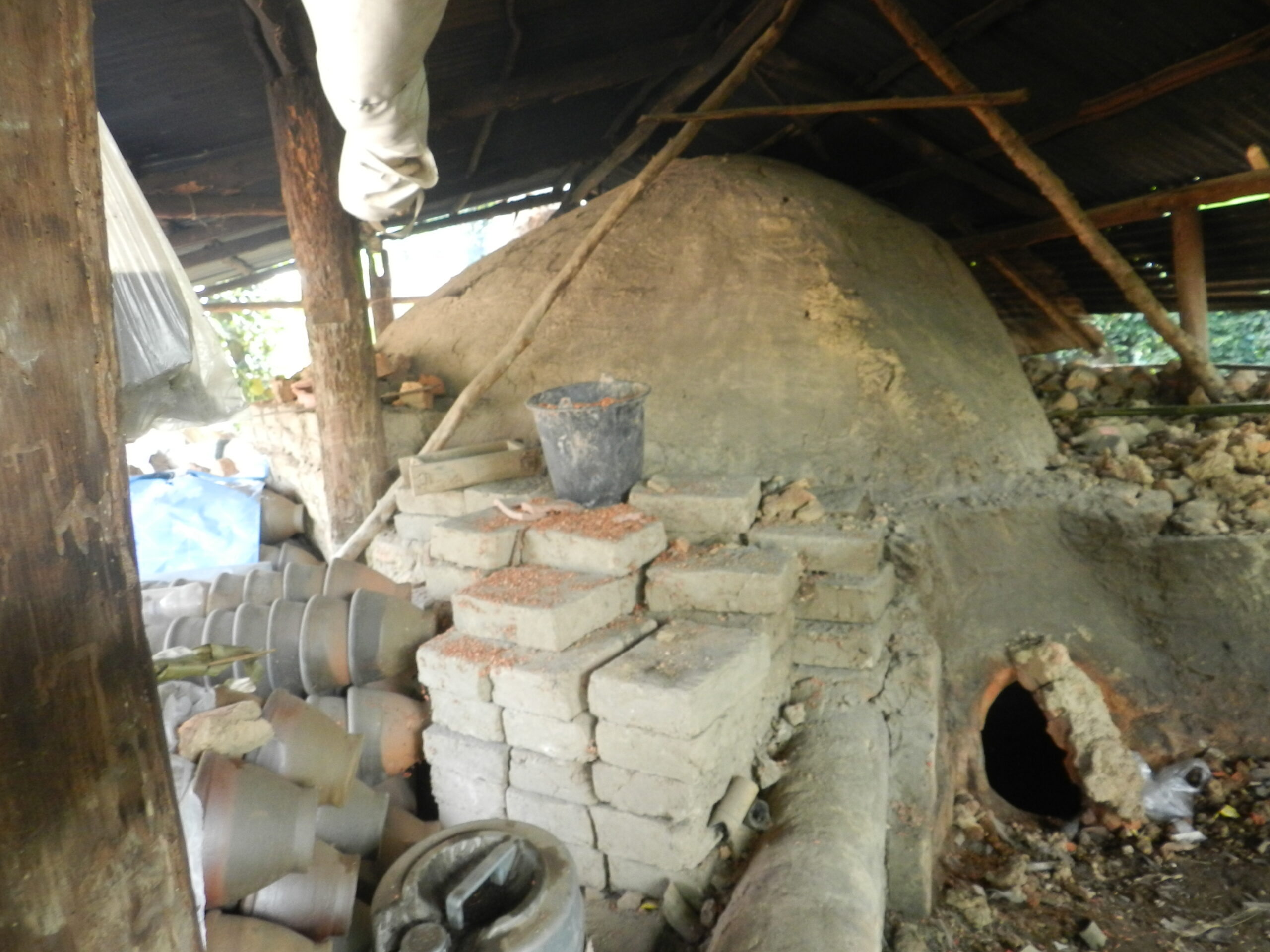
เตาเผา
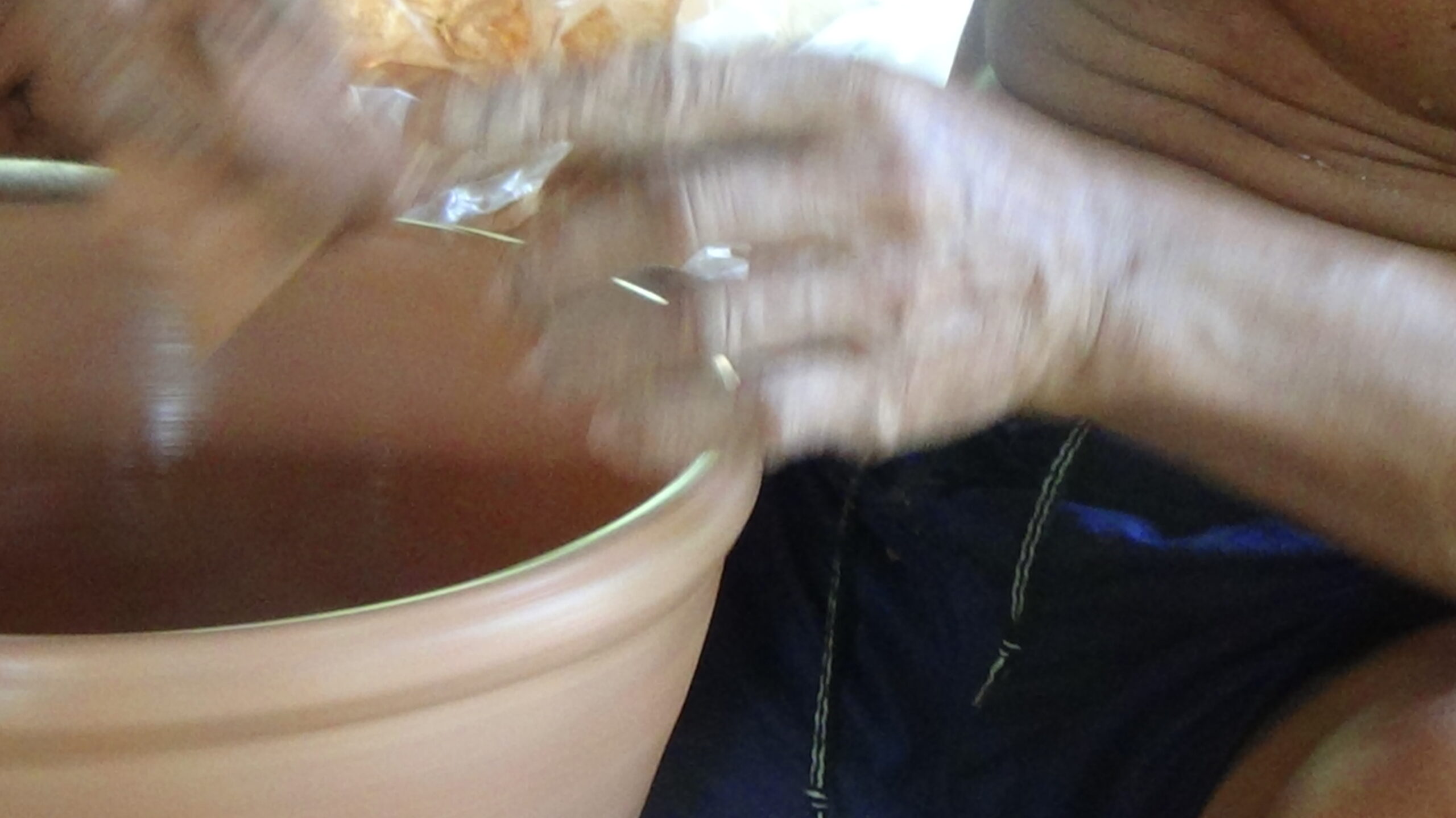
Forming the rim ปั้นริมฝีปาก
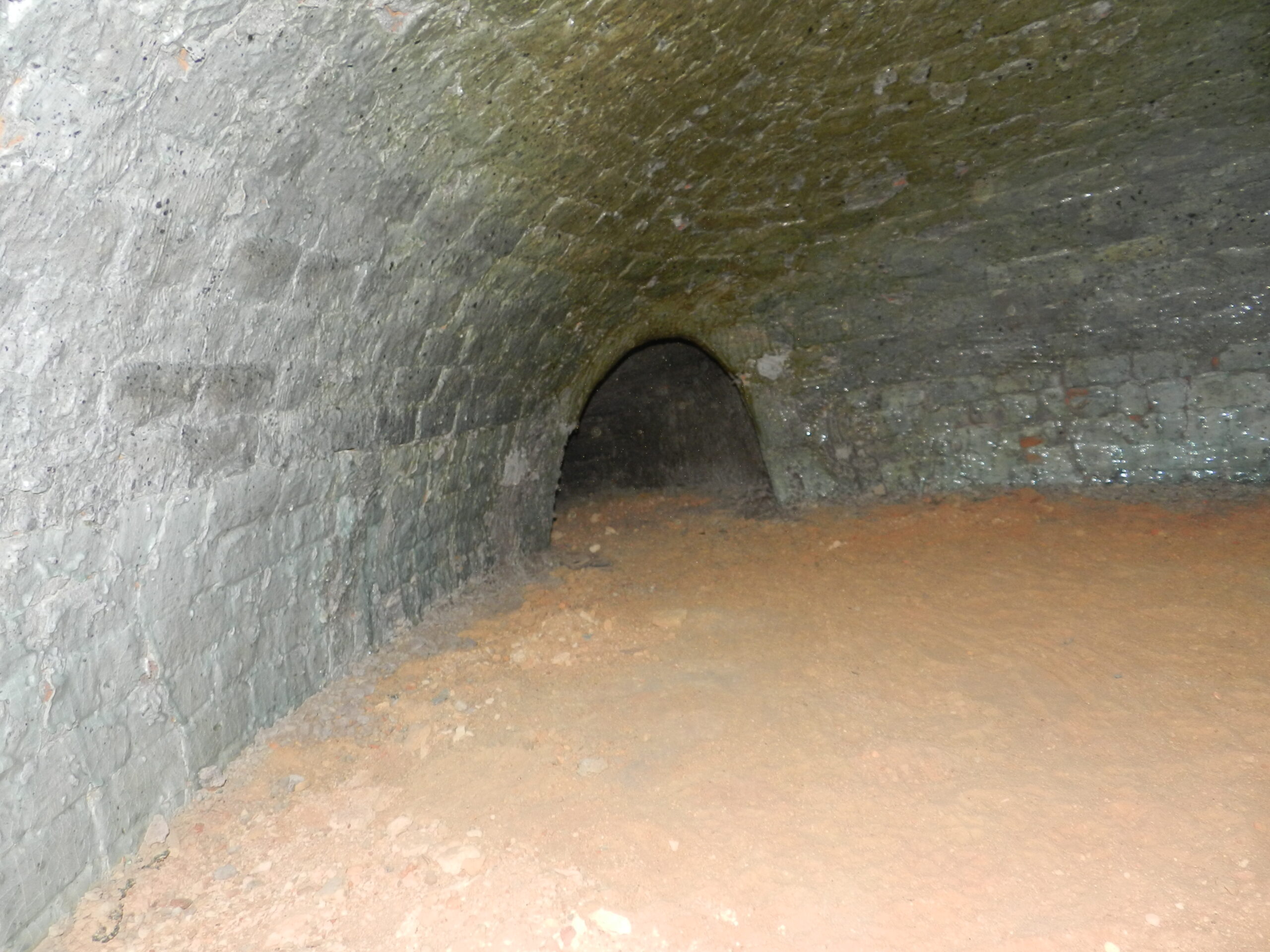
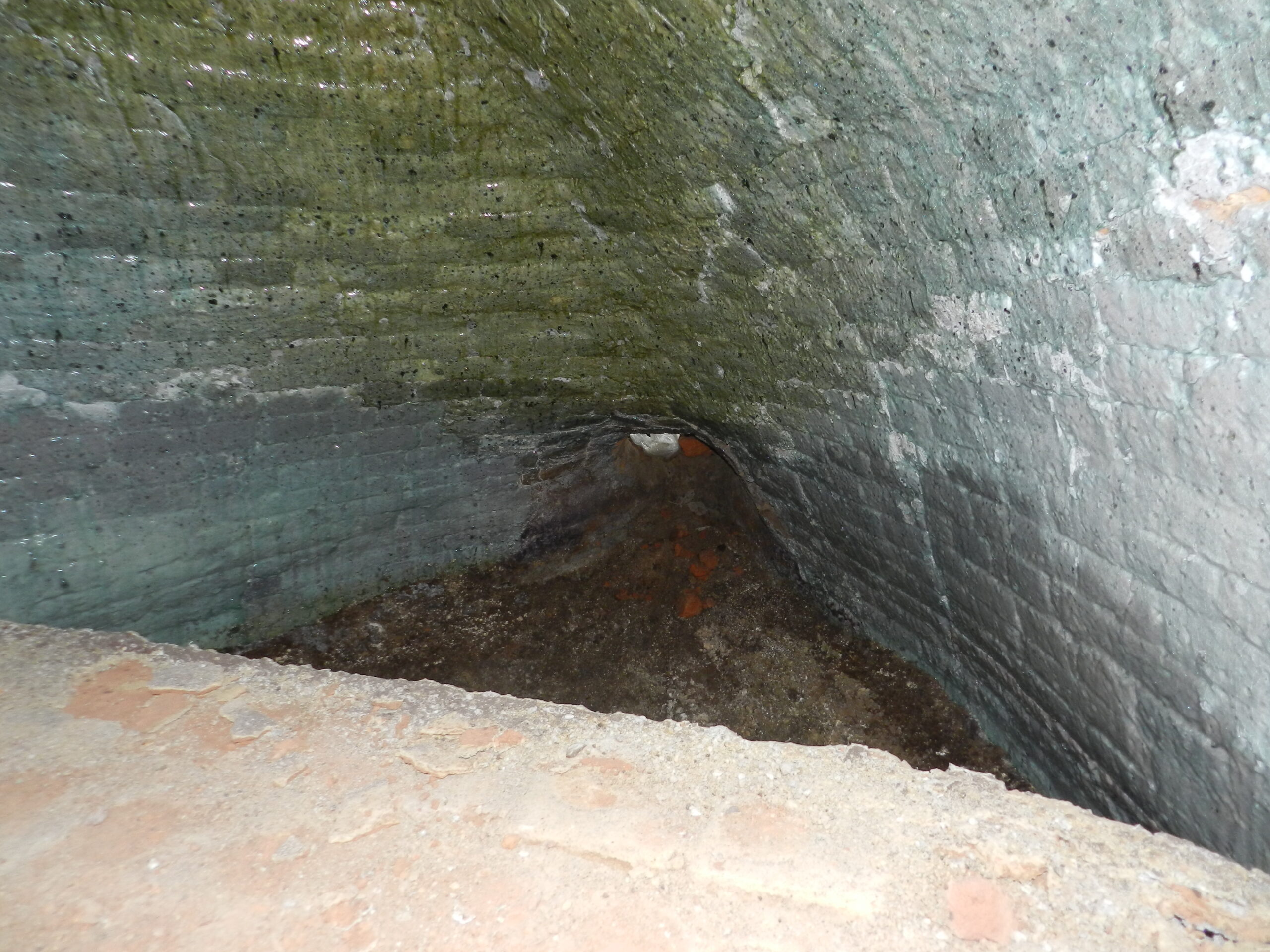
Flue, Inside the kiln ปล่องควัน ในเตาเผา
fire mouth ปากฟืน
kiln wall ผนังเตาเผา
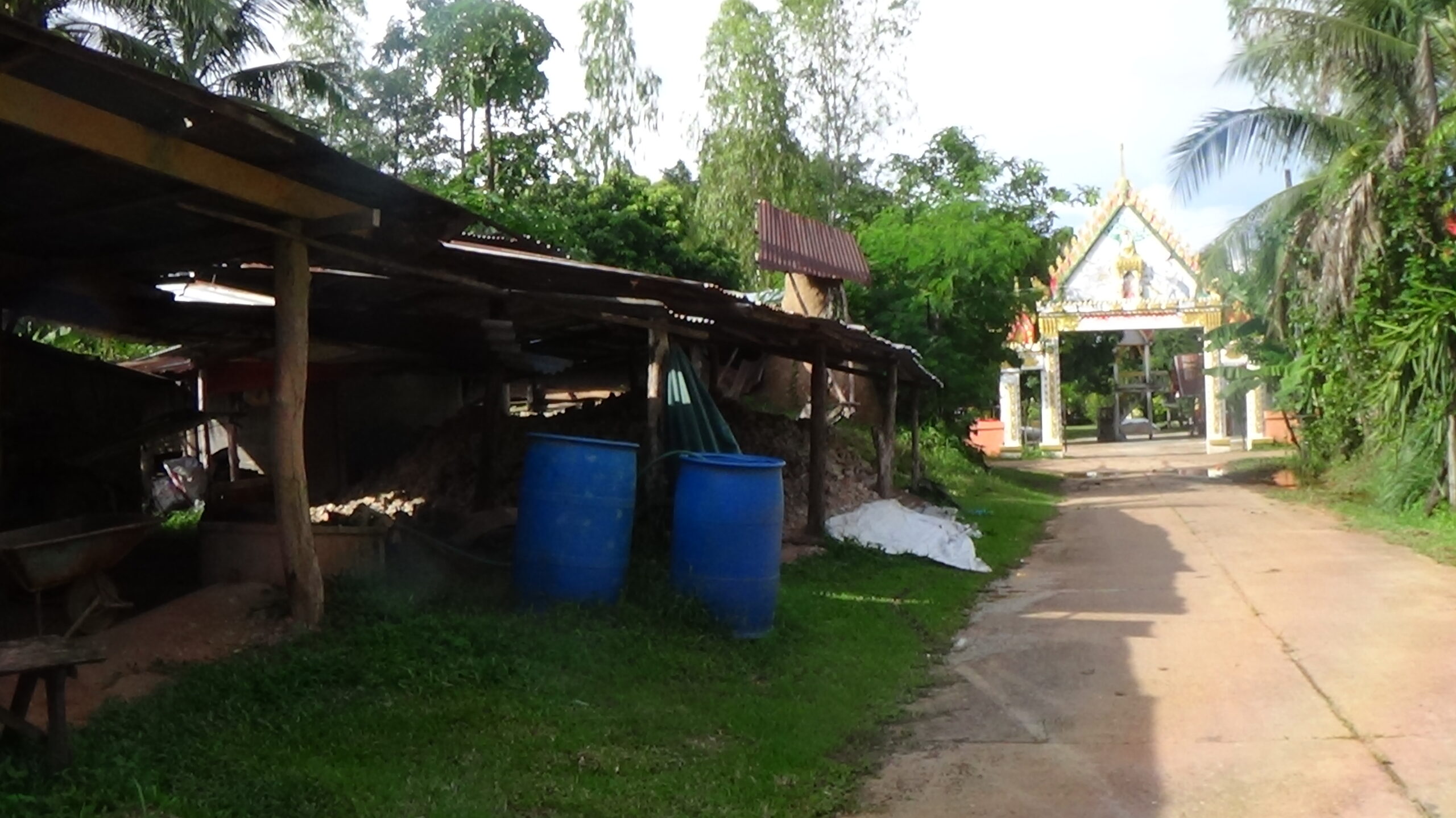
Pottery Factory and Temple Entrance โรงงานเครื่องปั้นดินเผาและทางเข้าวัด
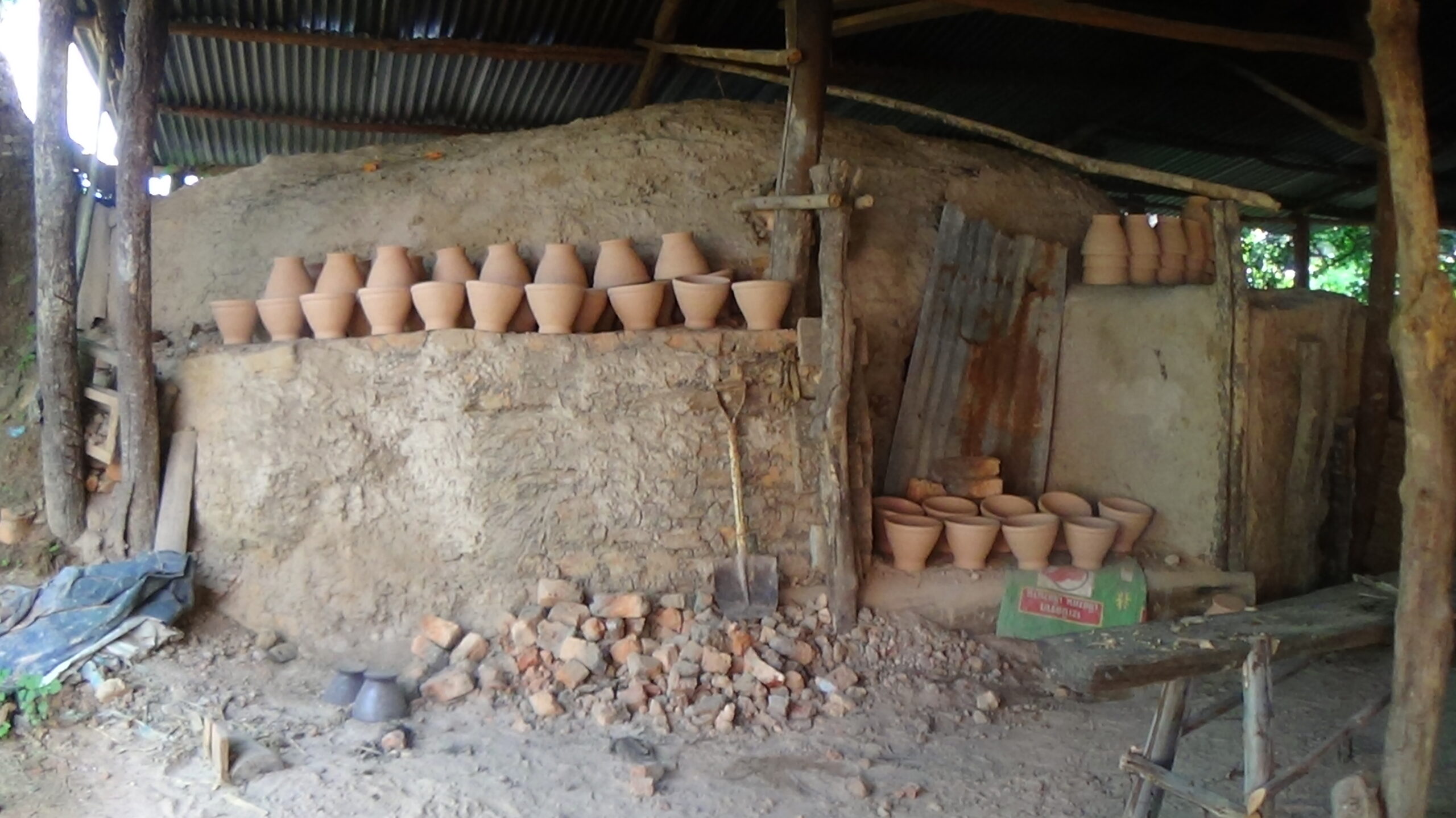
clammed ( closed and sealed kiln) เตาเผาแบบปิดและผนึกแน่น
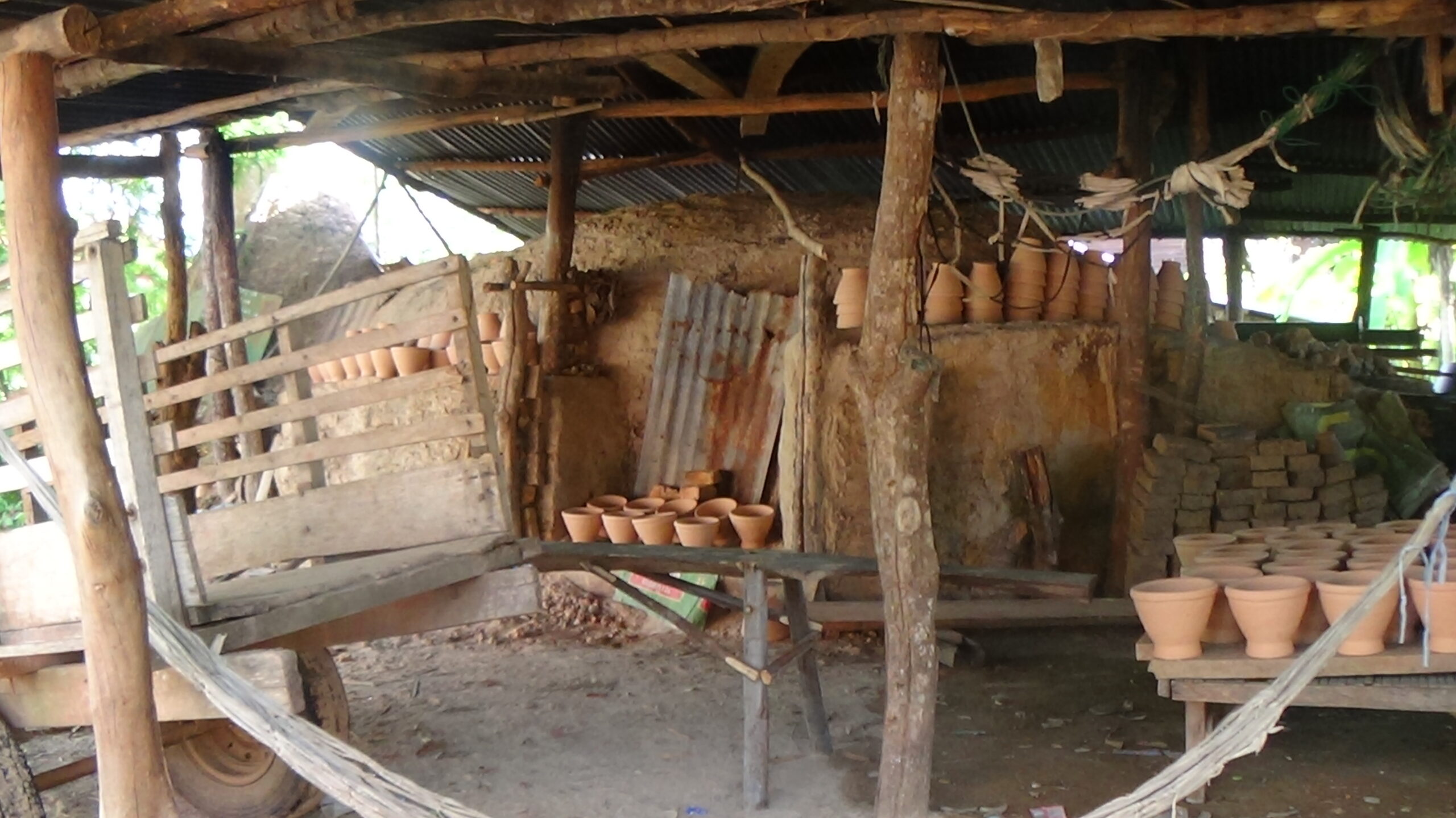
เตาเผาแบบปิดและผนึกแน่น
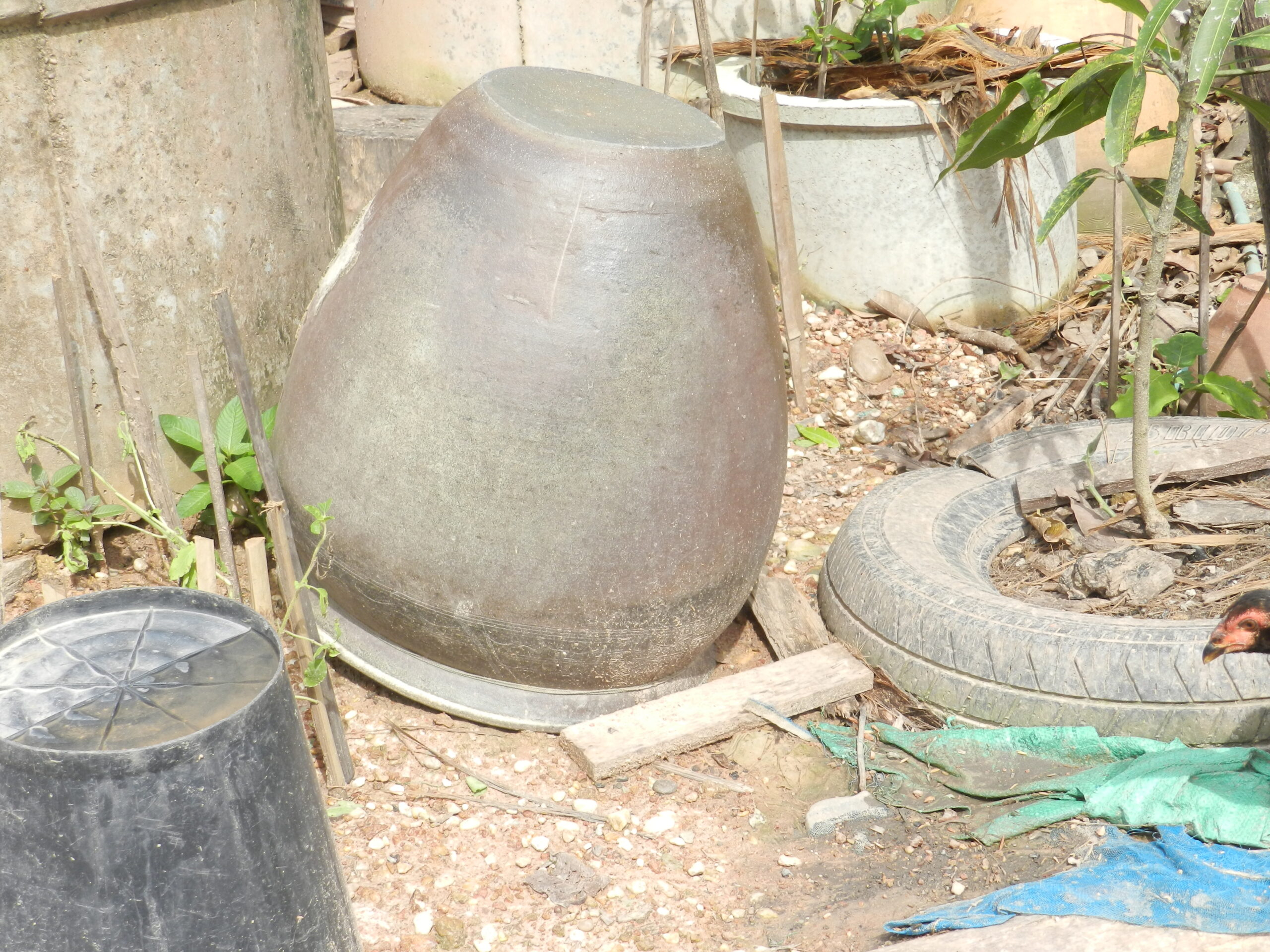
โอ่งน้ำ water jar
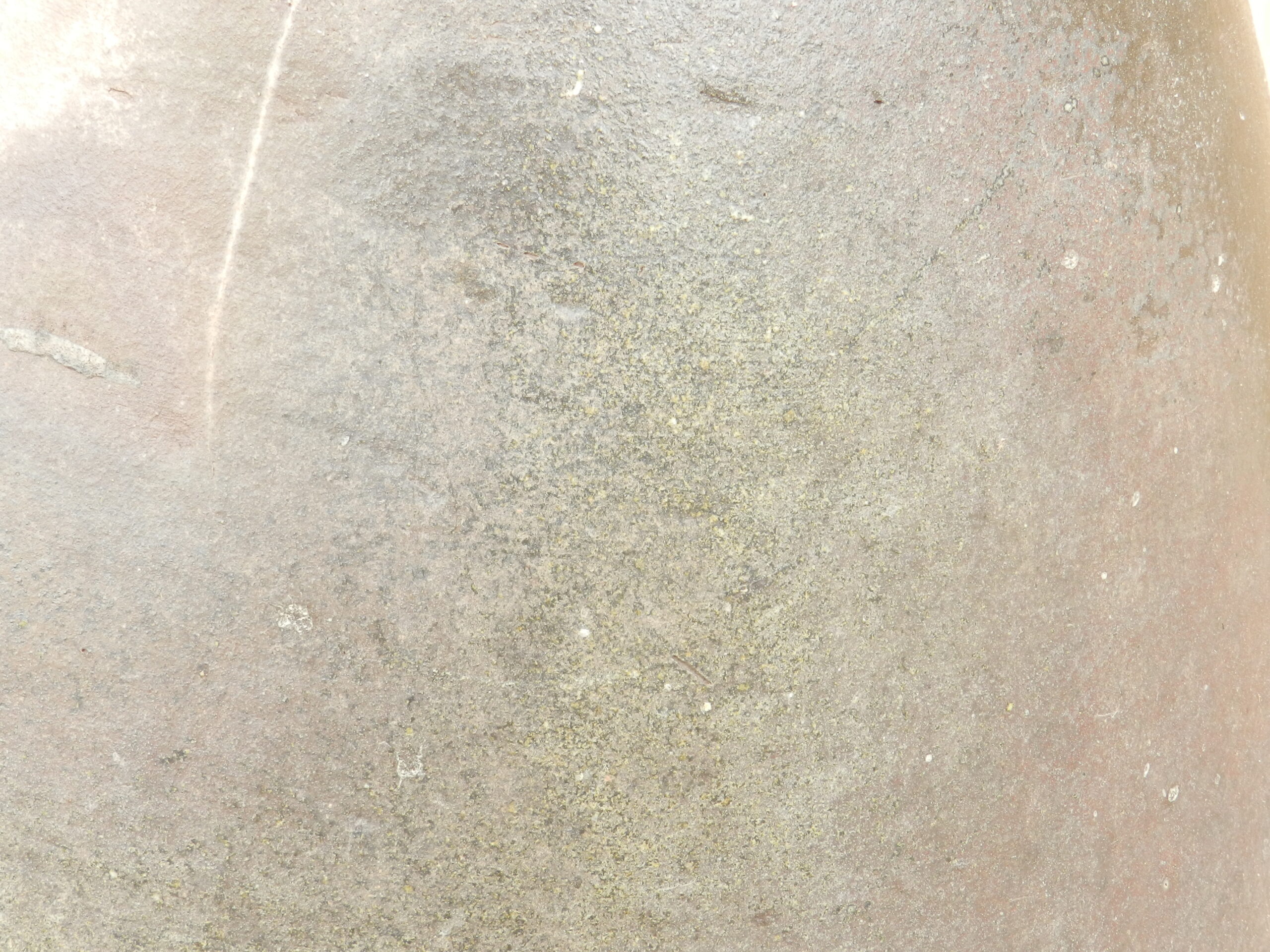
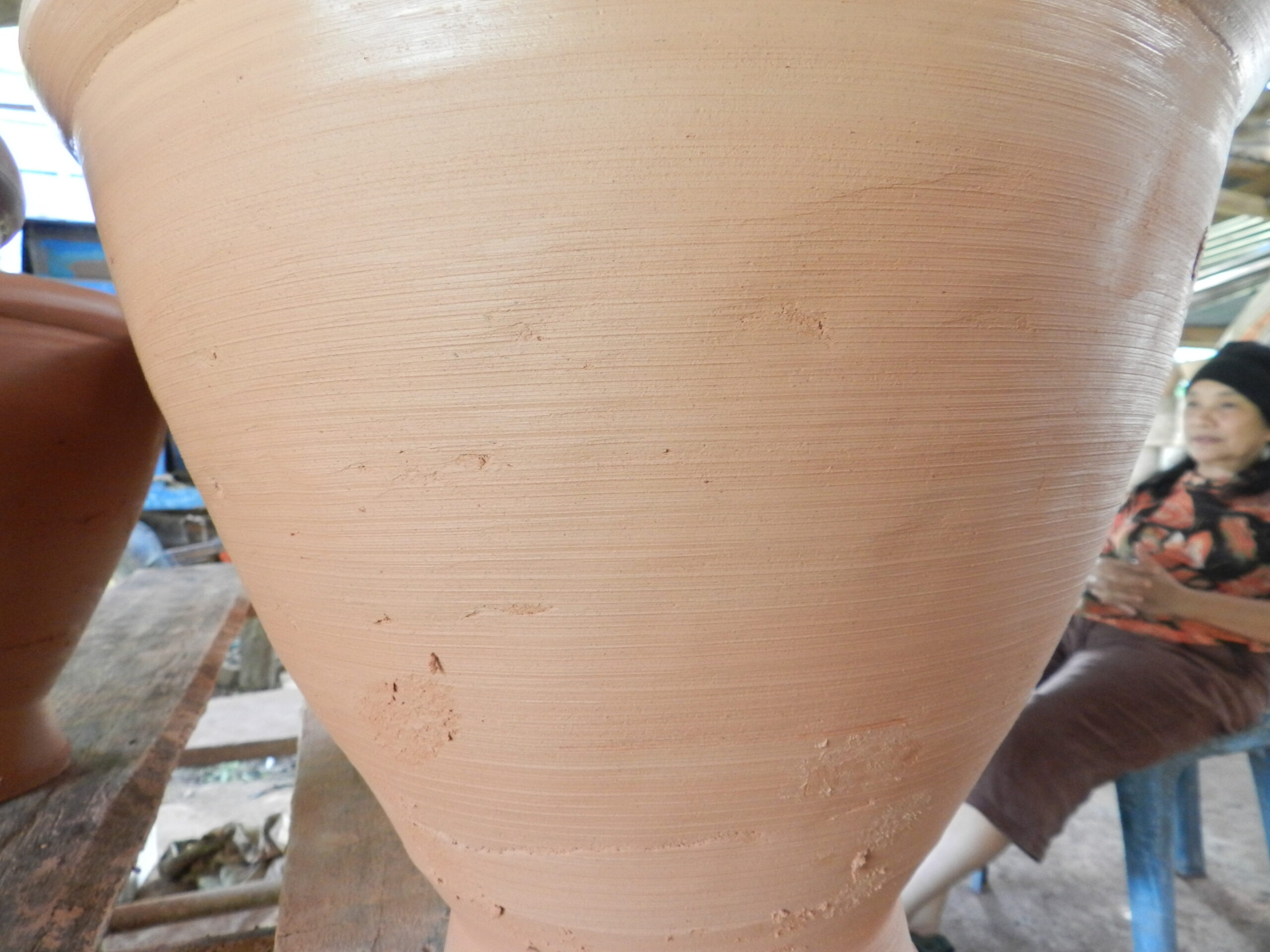
surface detail ผิวดิน
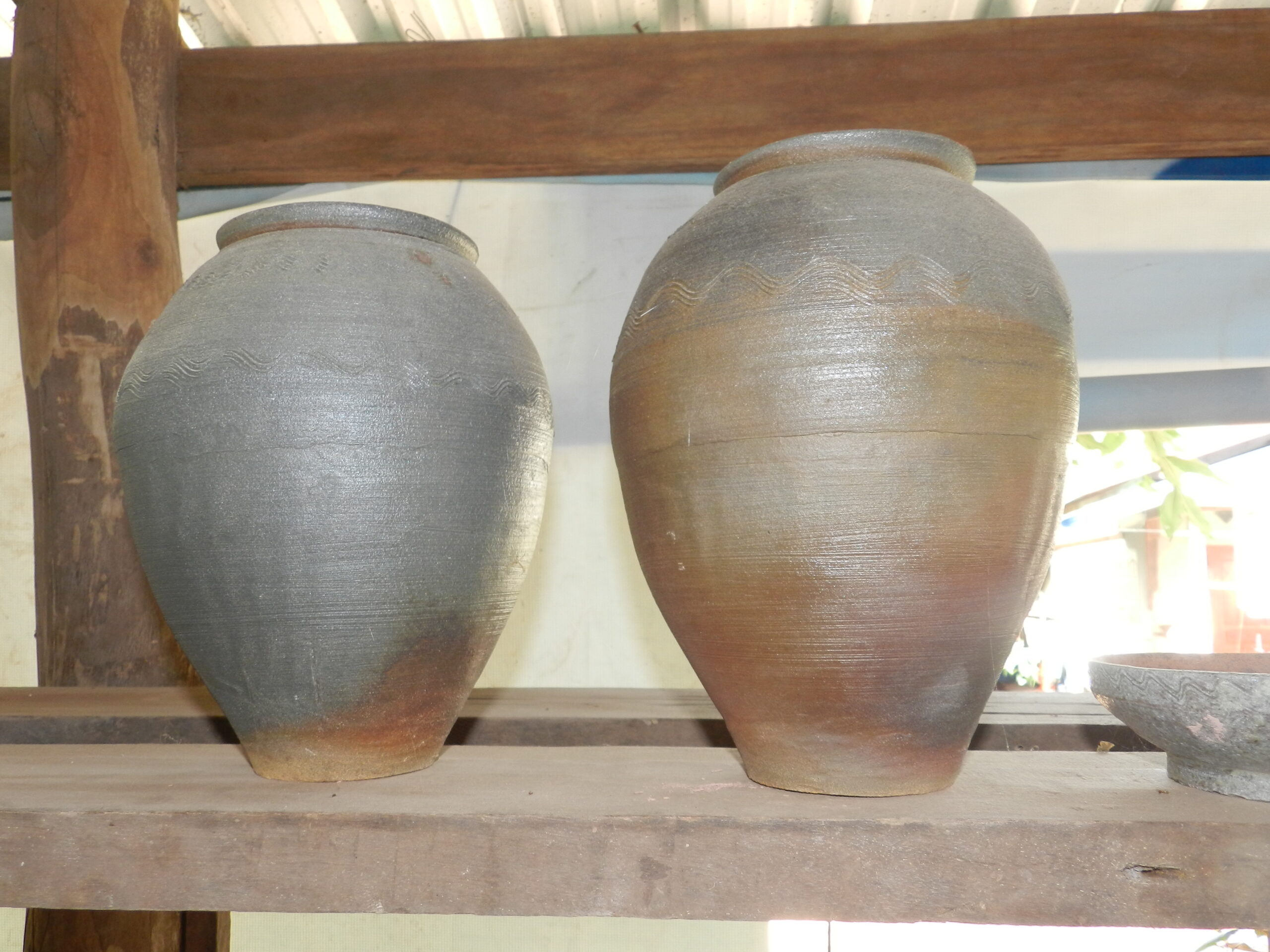
Jars, maybe for pickles.
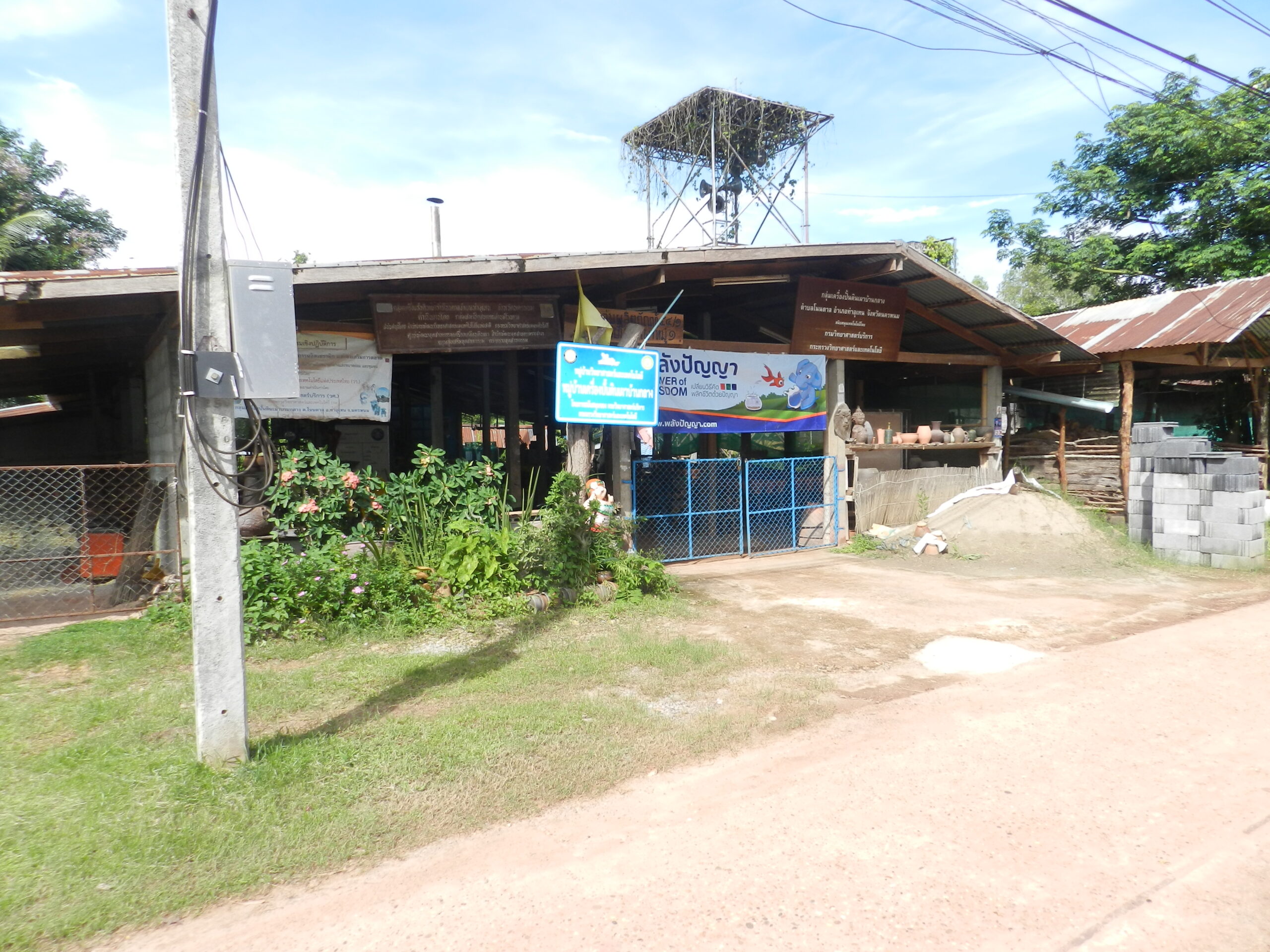
This might be the village headman's pottery.
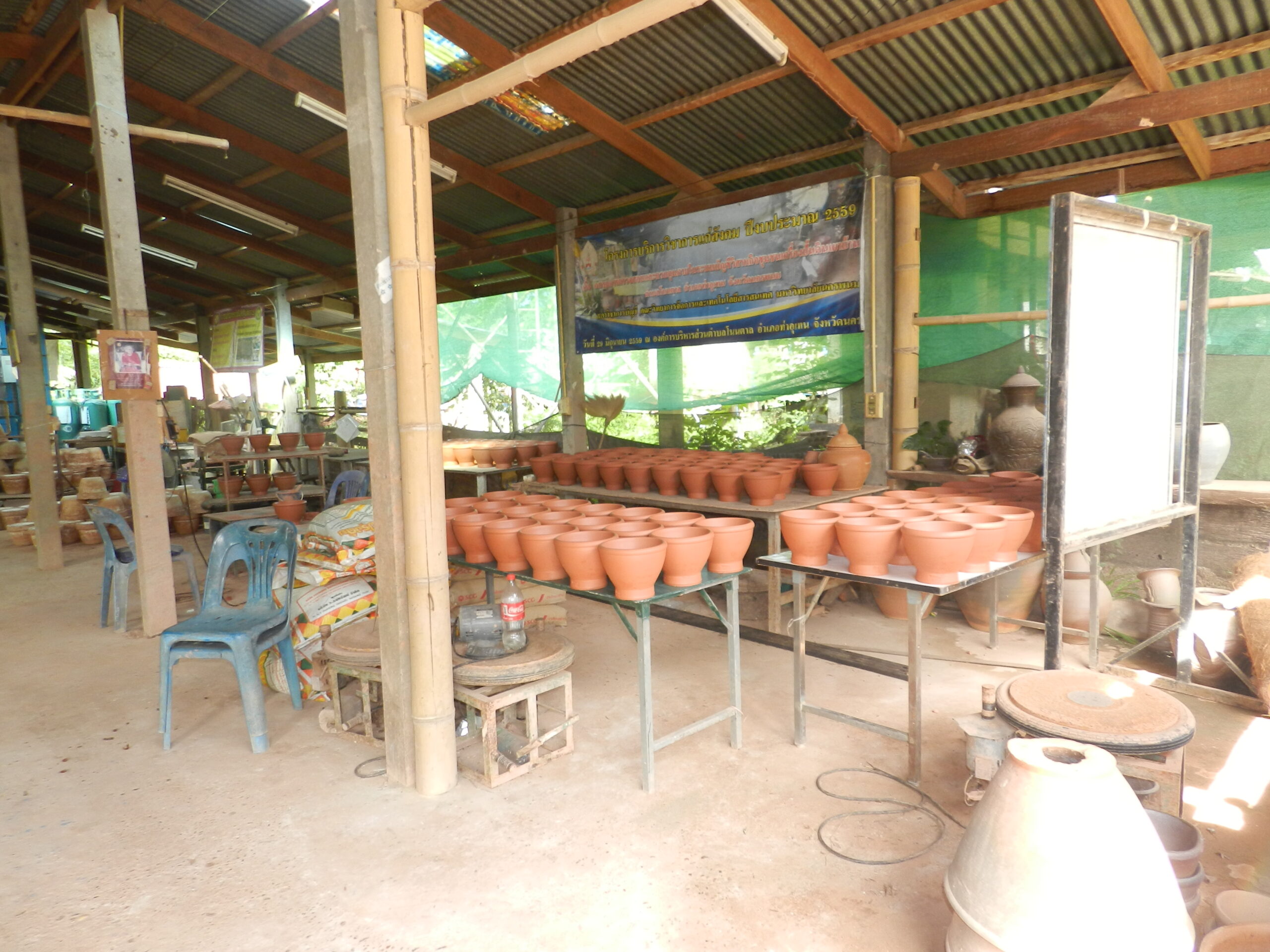
Inside what I believe is the village headman's shop
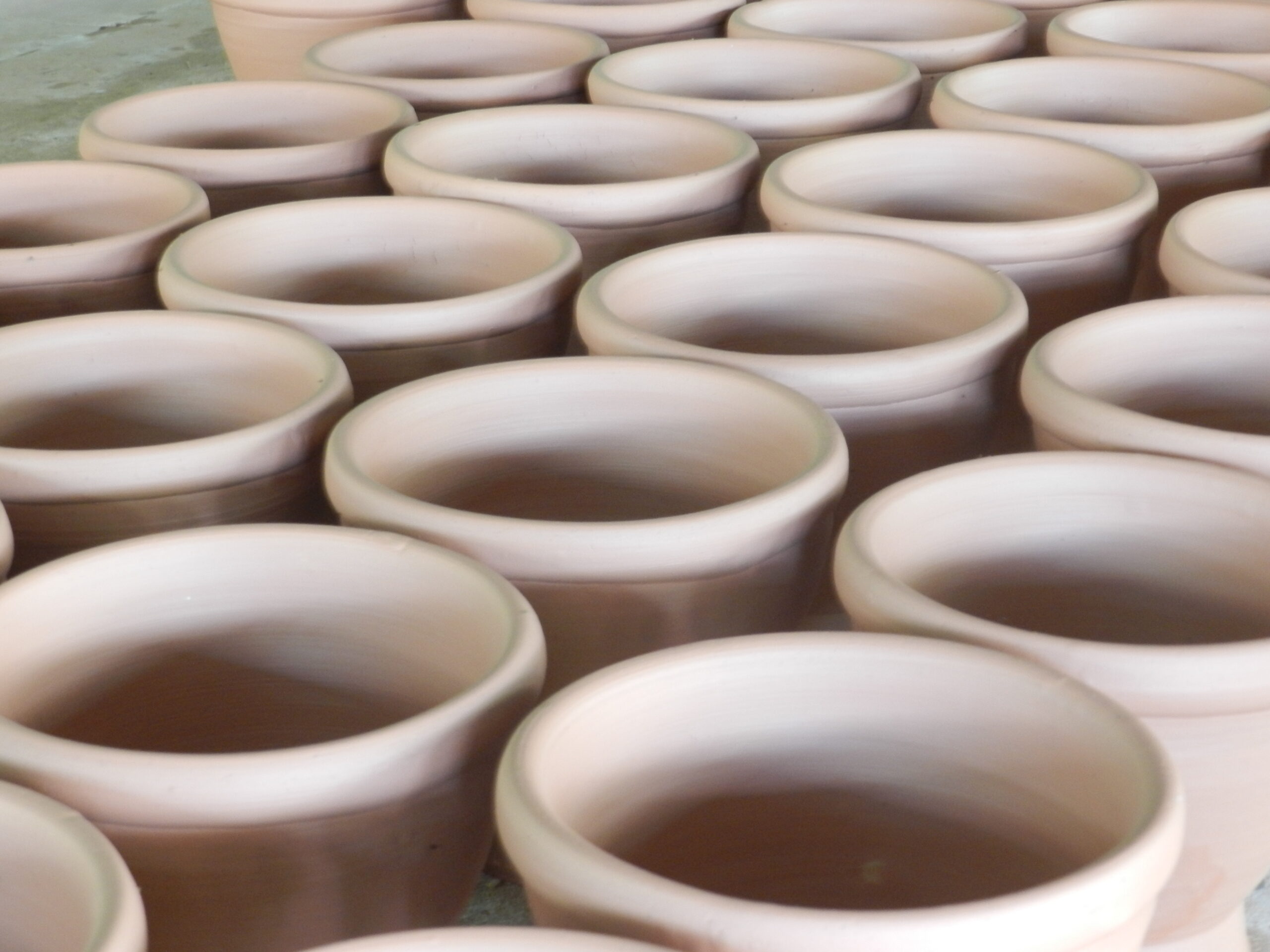
unfired mortars ยังไม่เผา
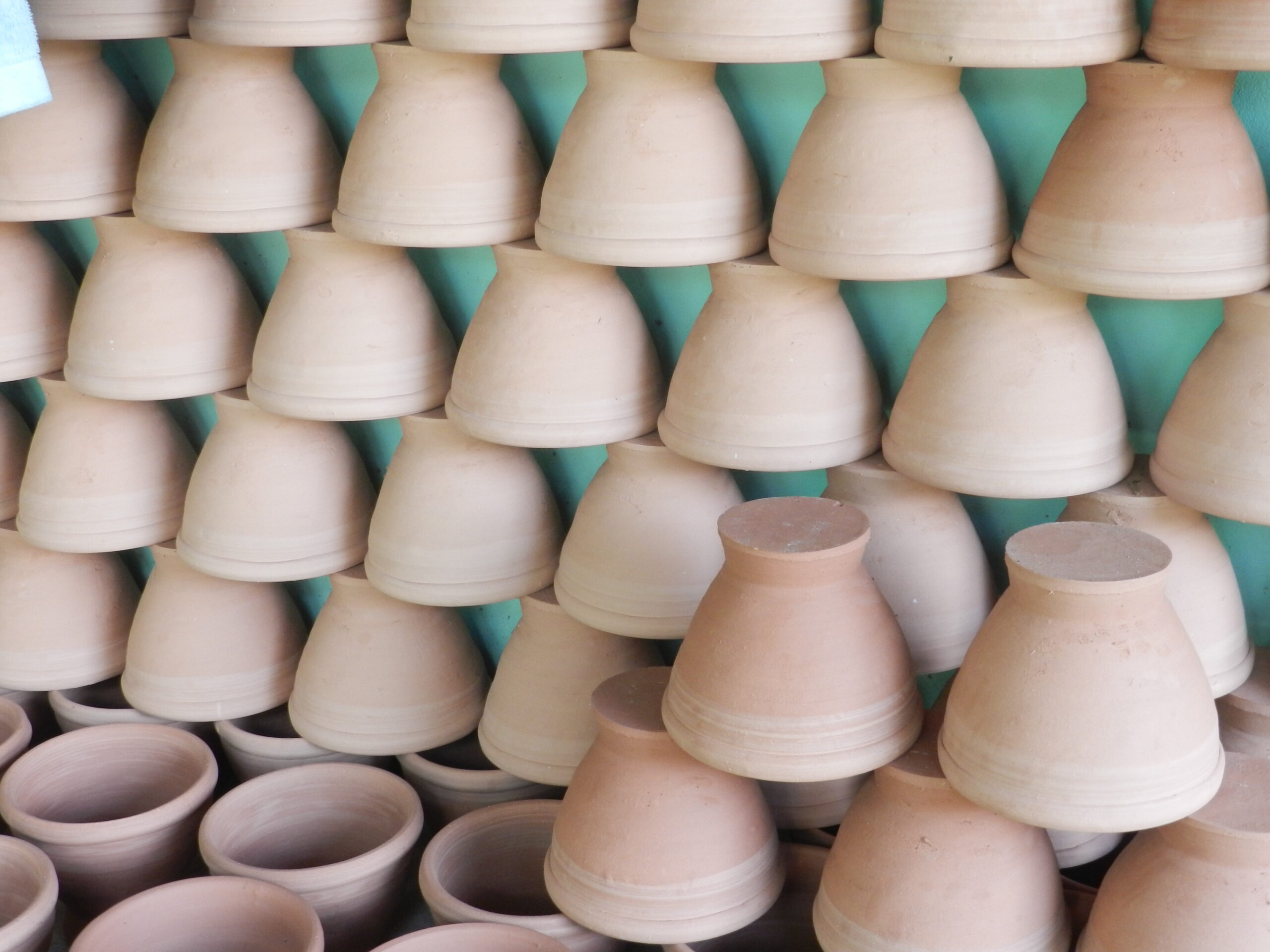
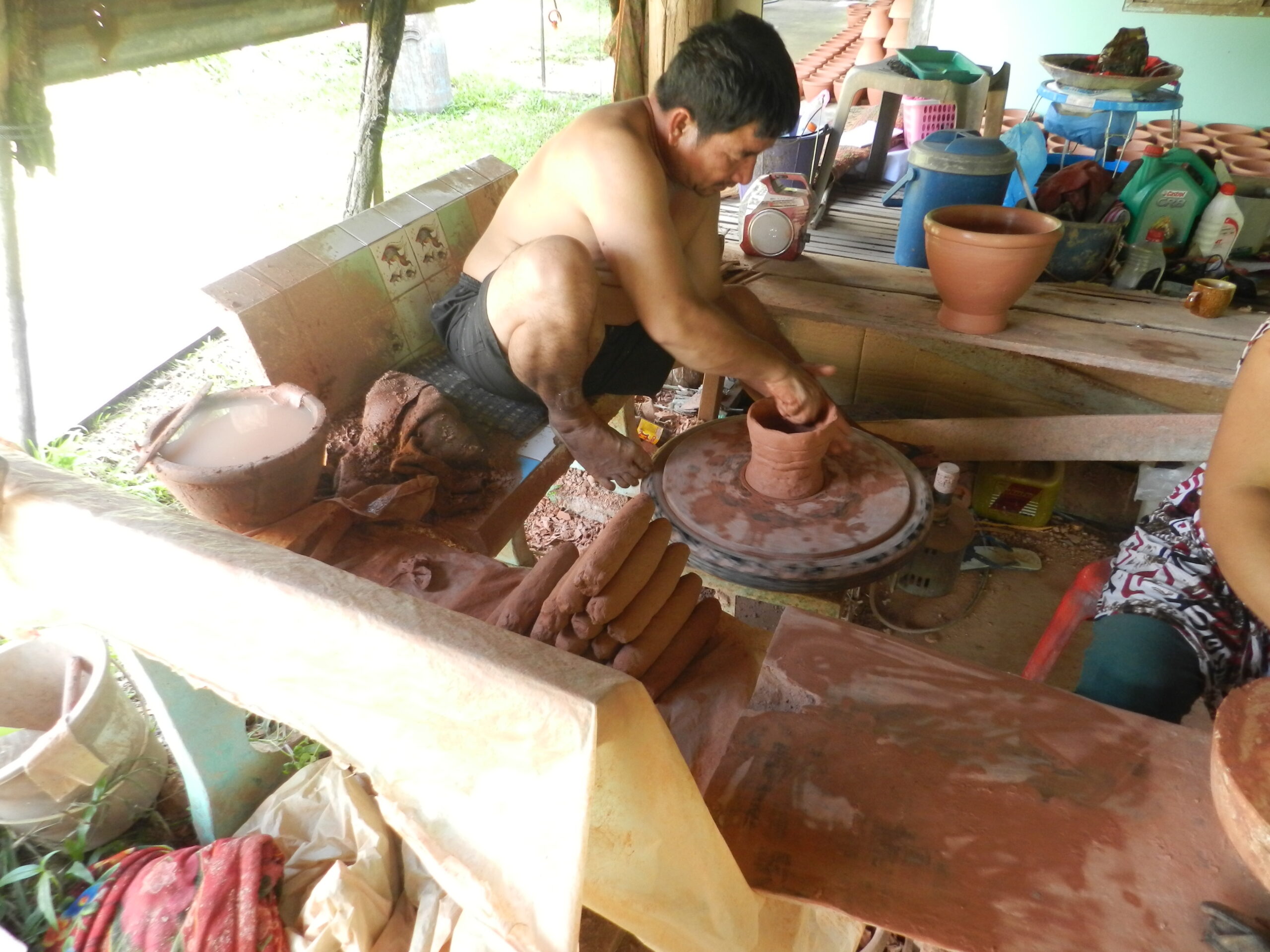
ปั้น
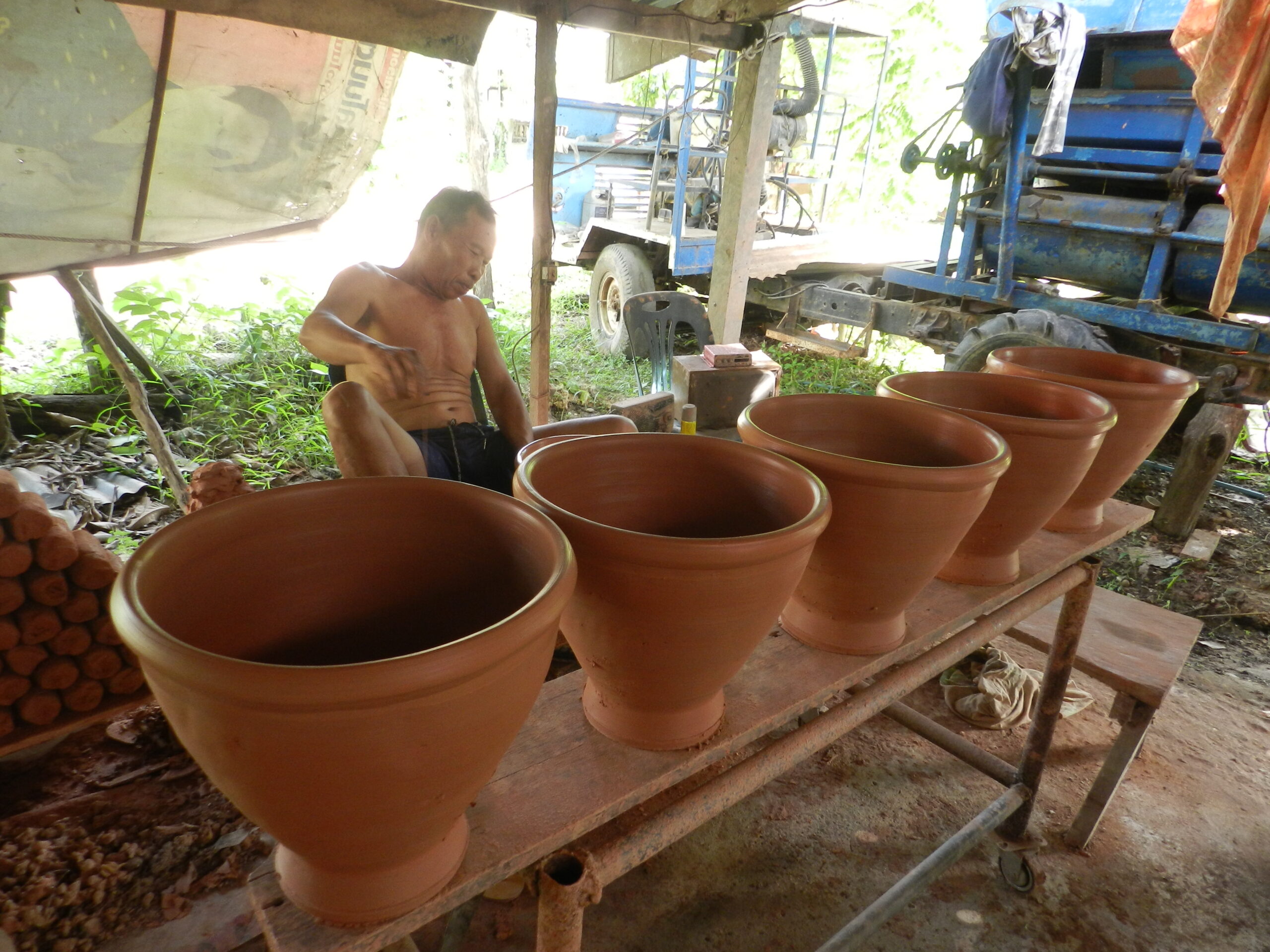
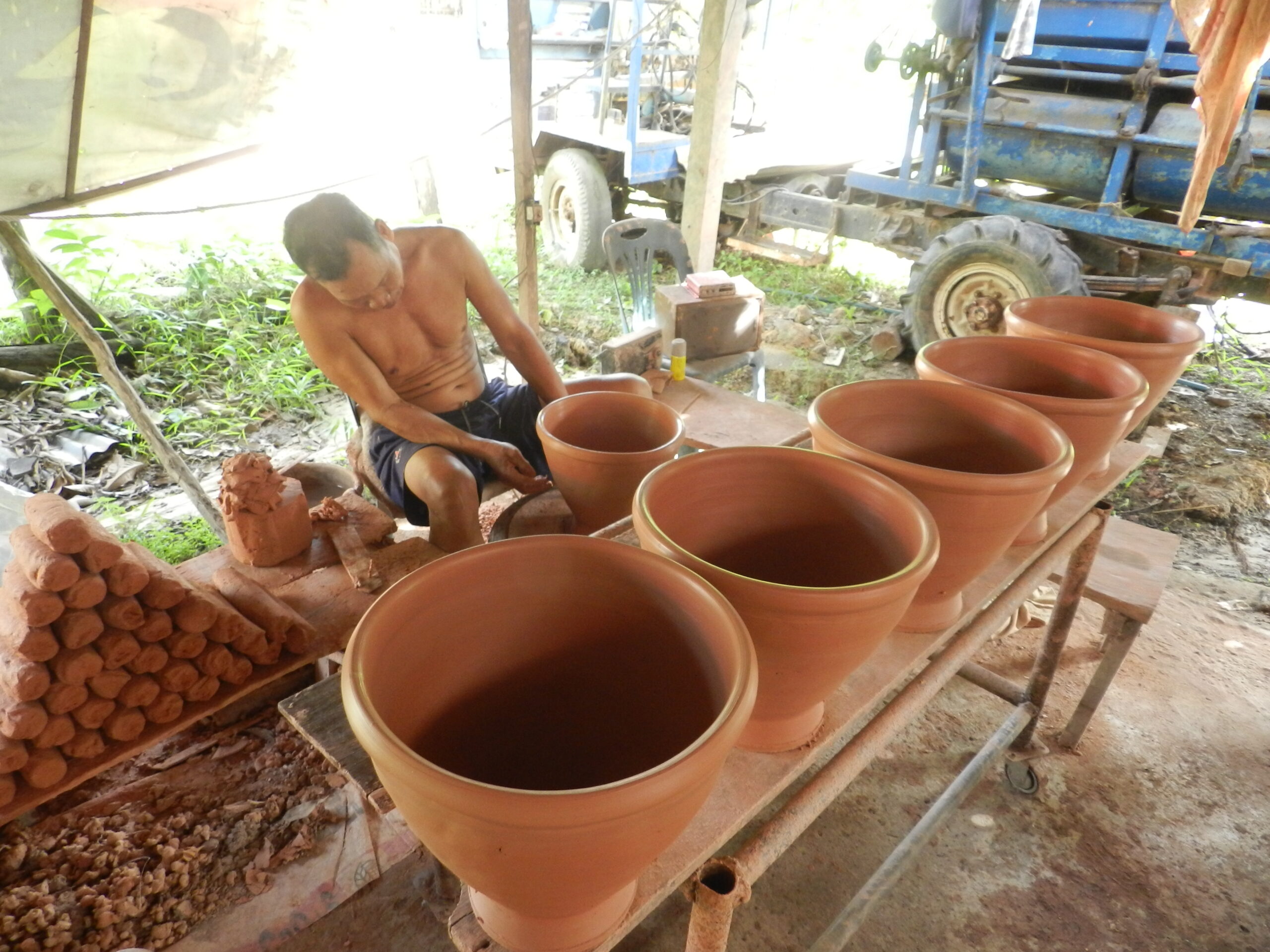
ปั้น
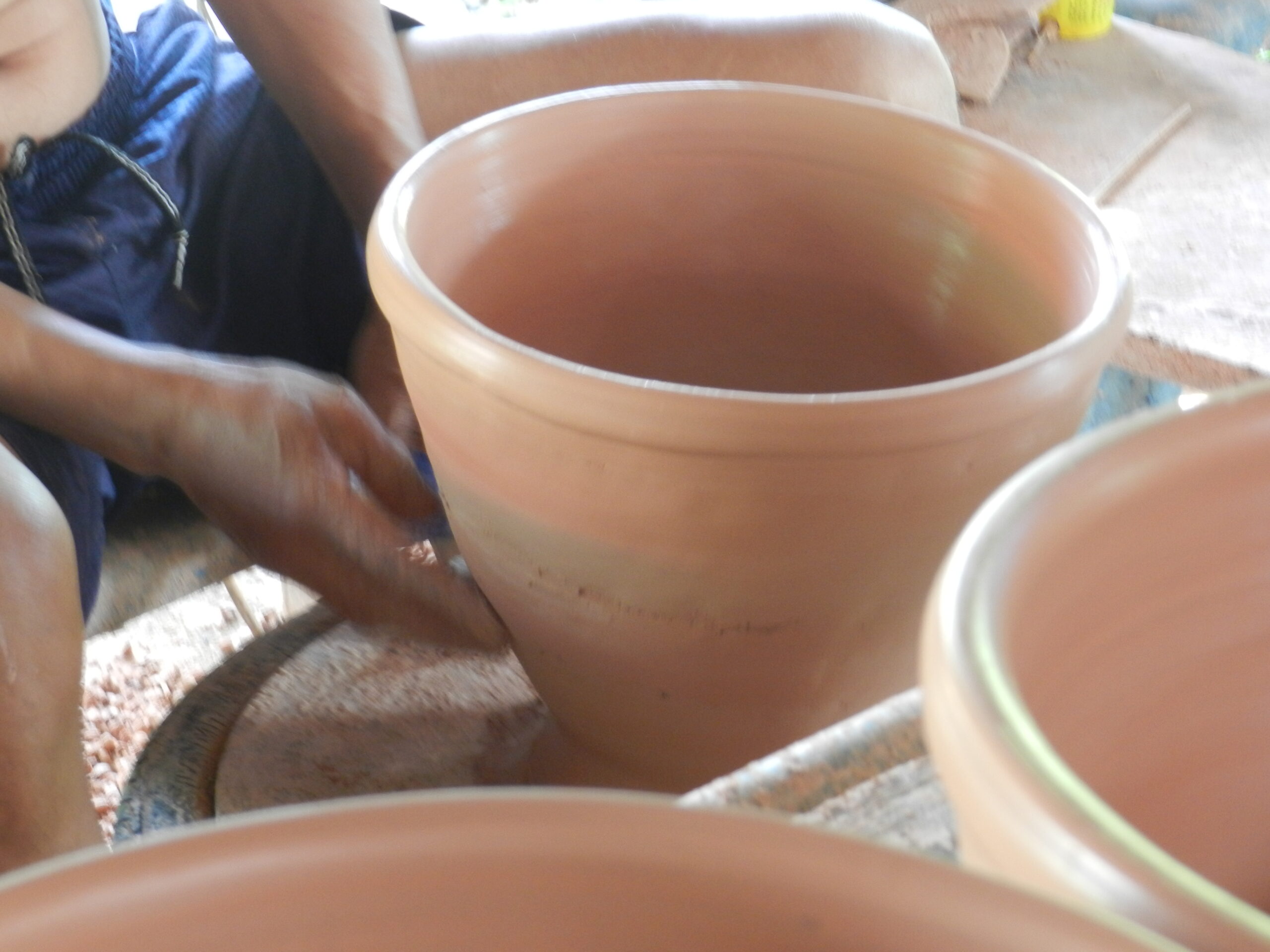
ปั้น
ปั้น
ปั้น
ปั้น
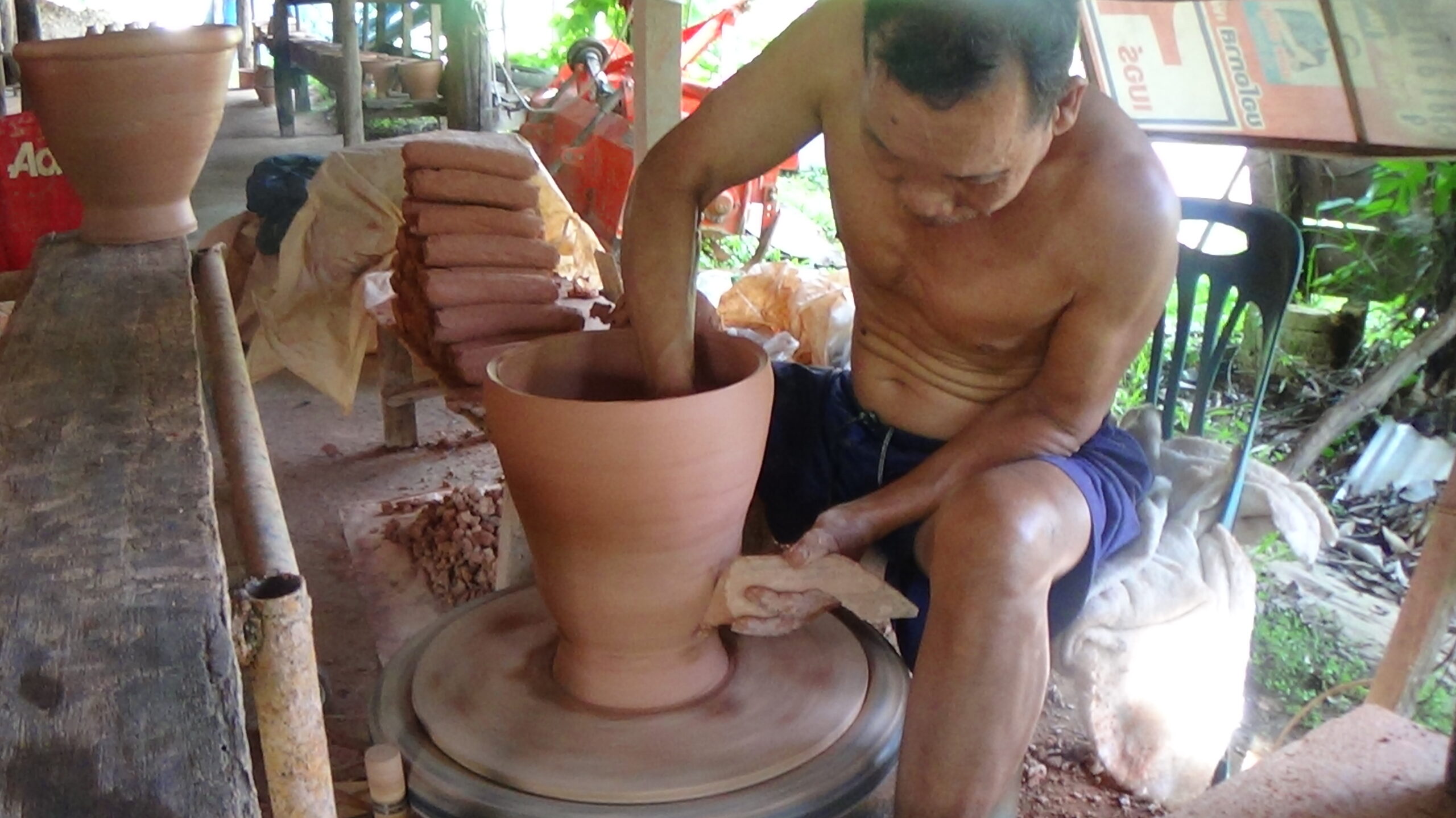
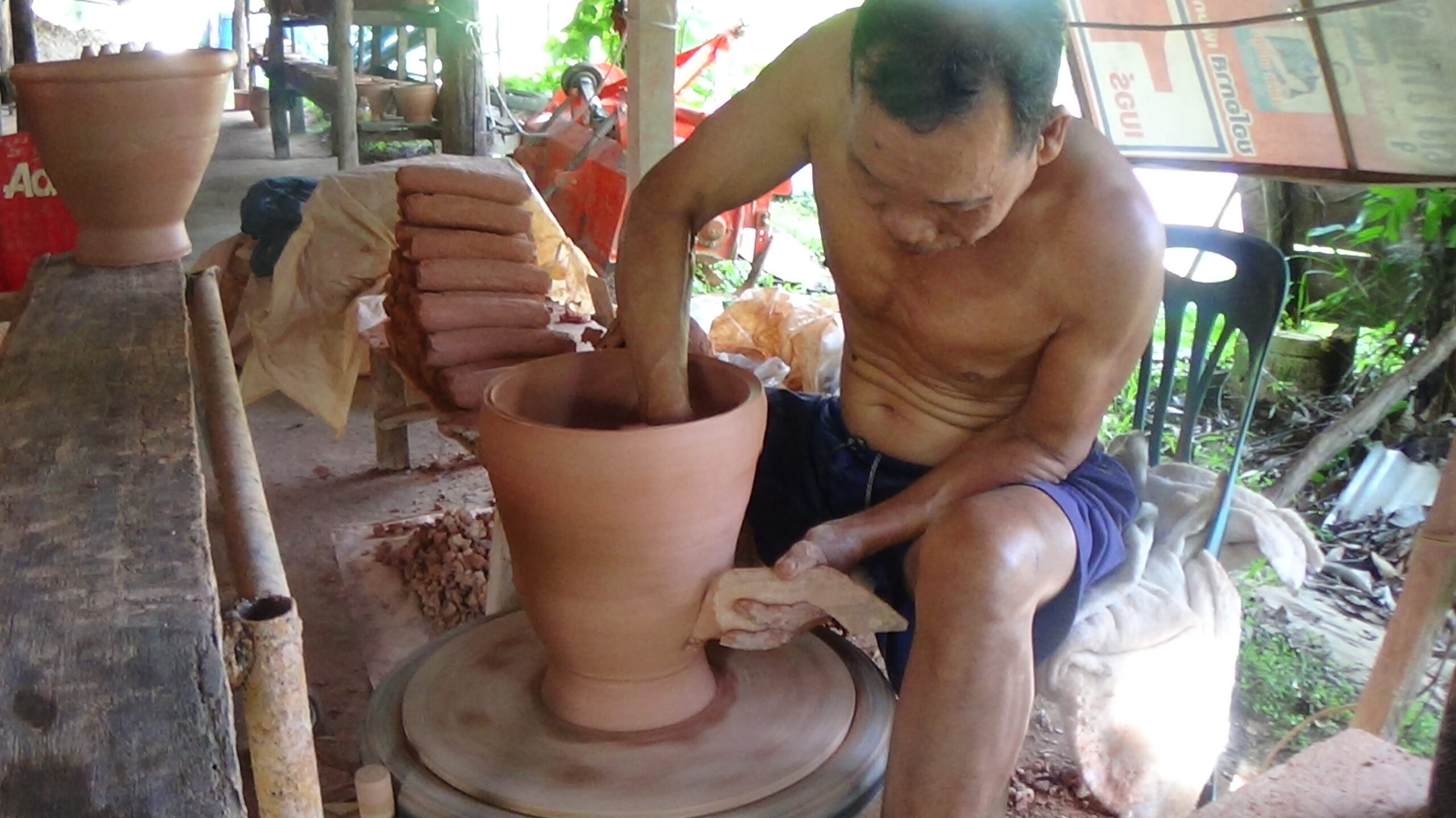
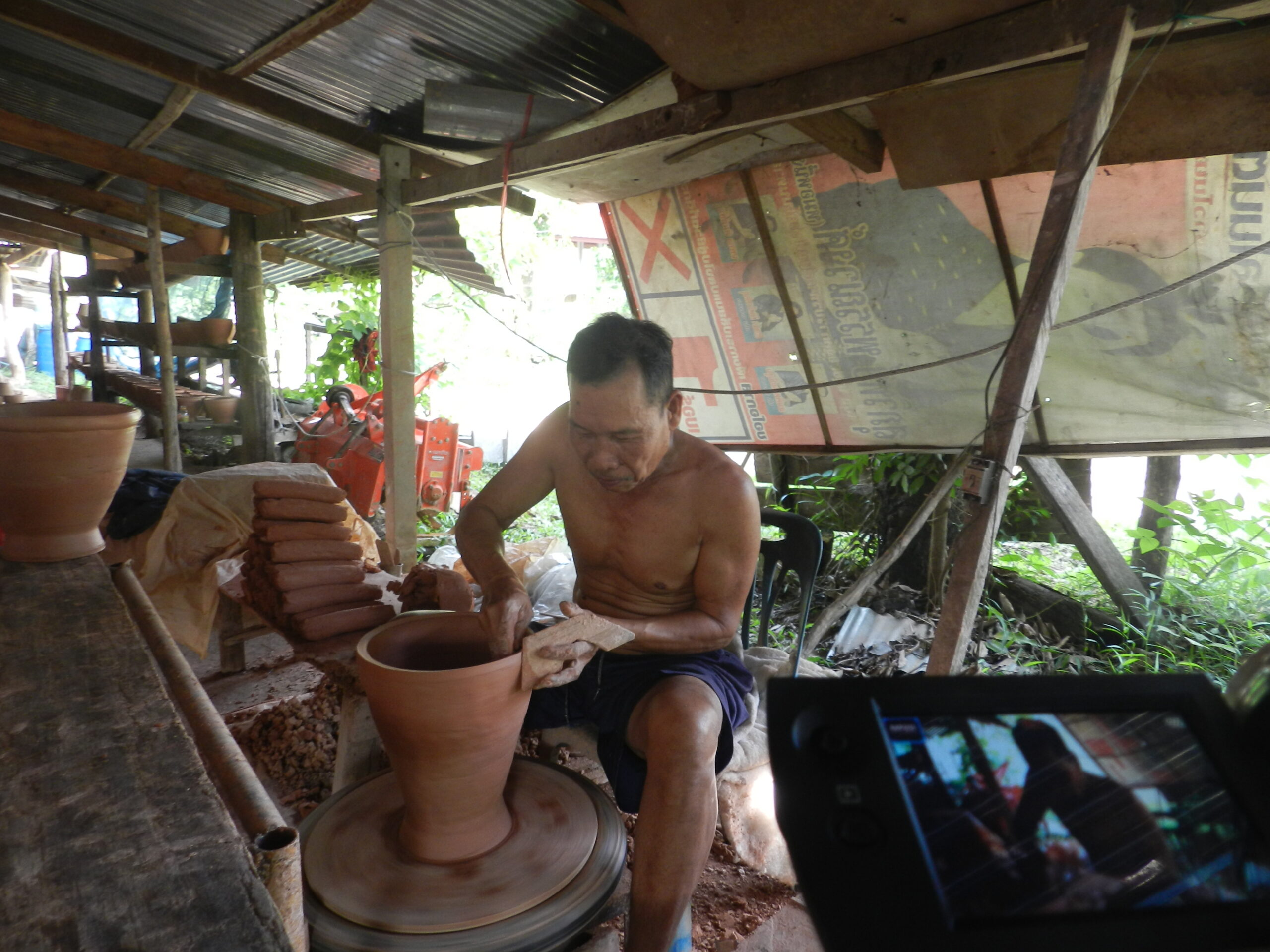
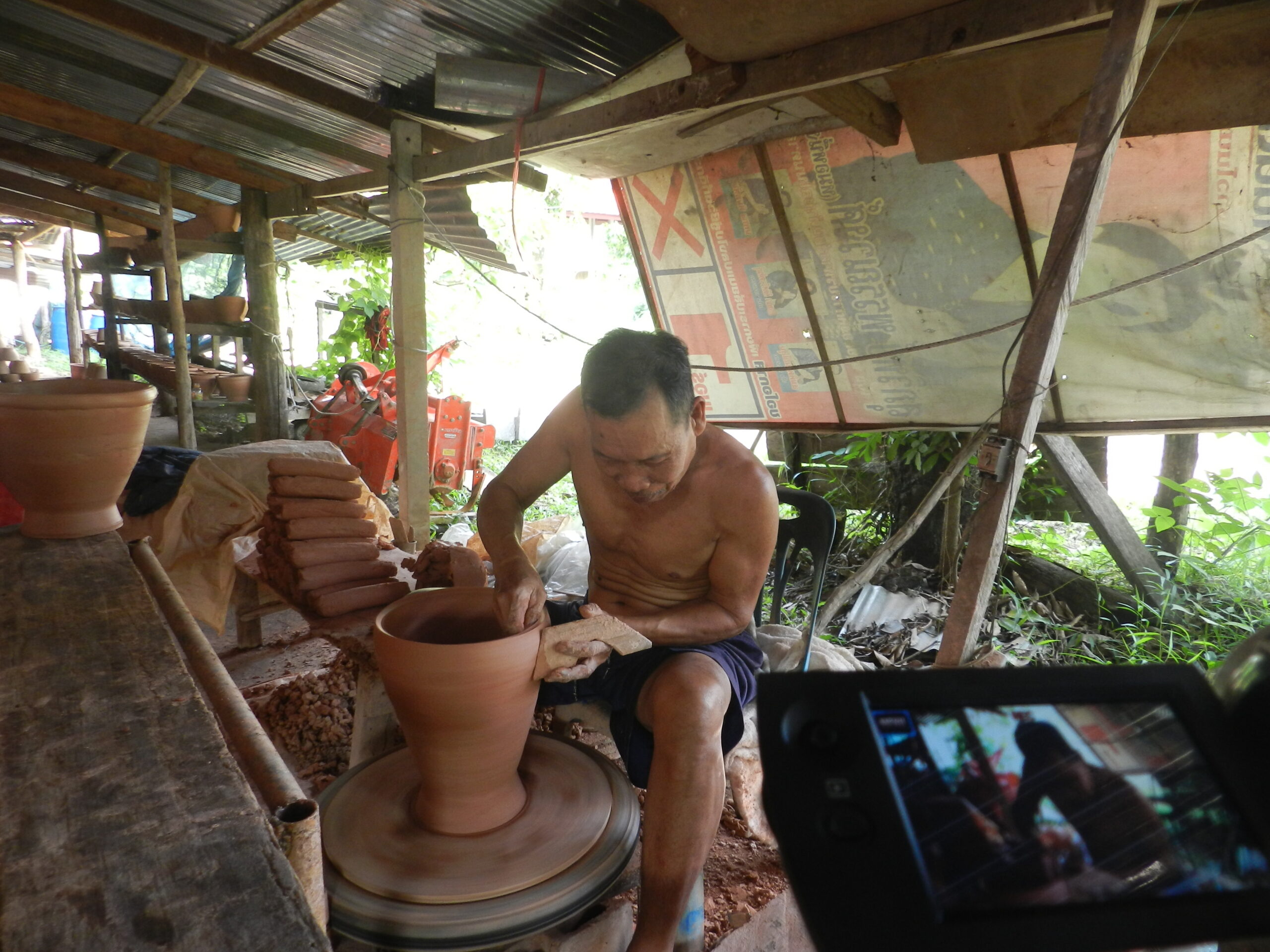
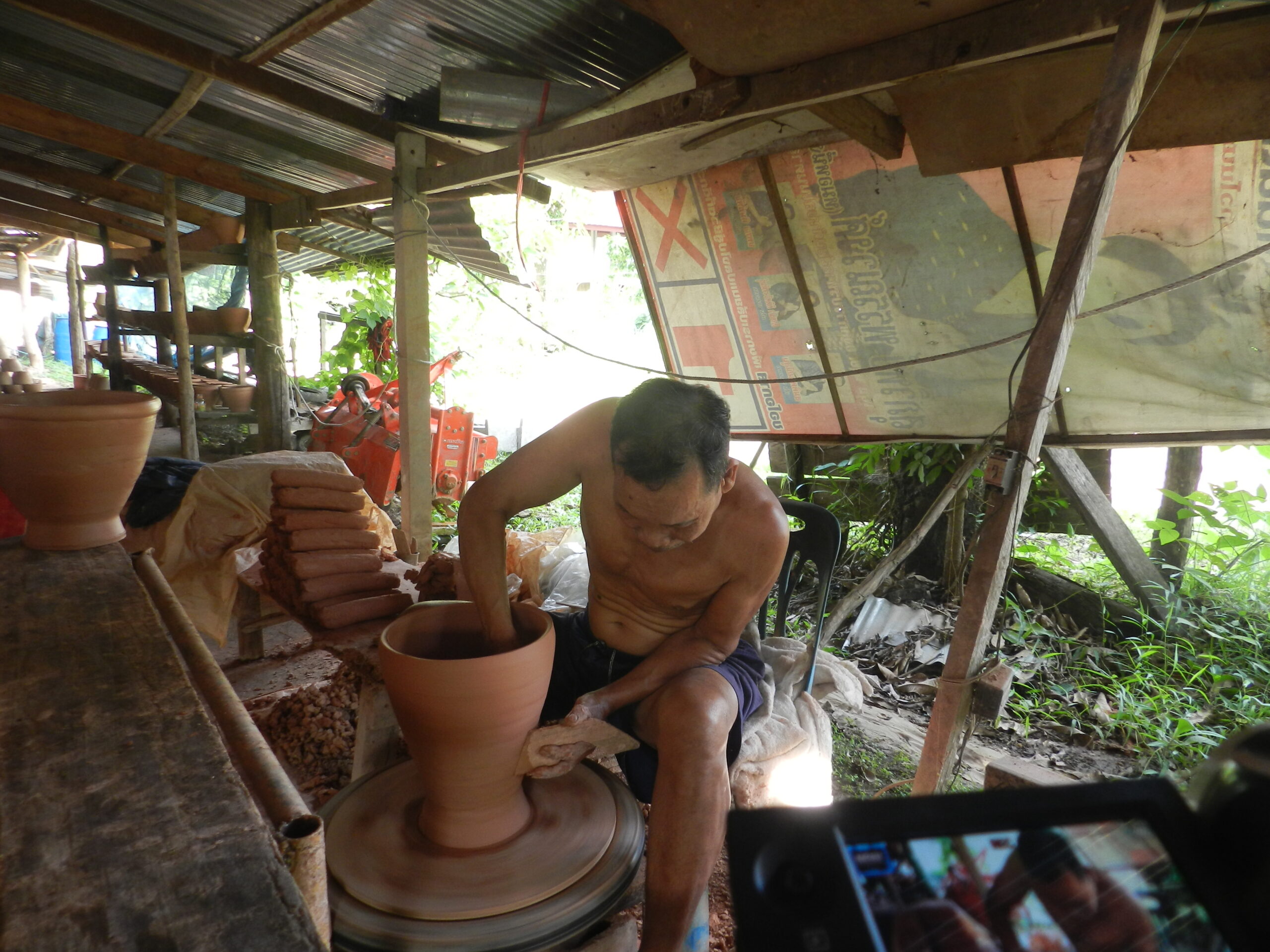
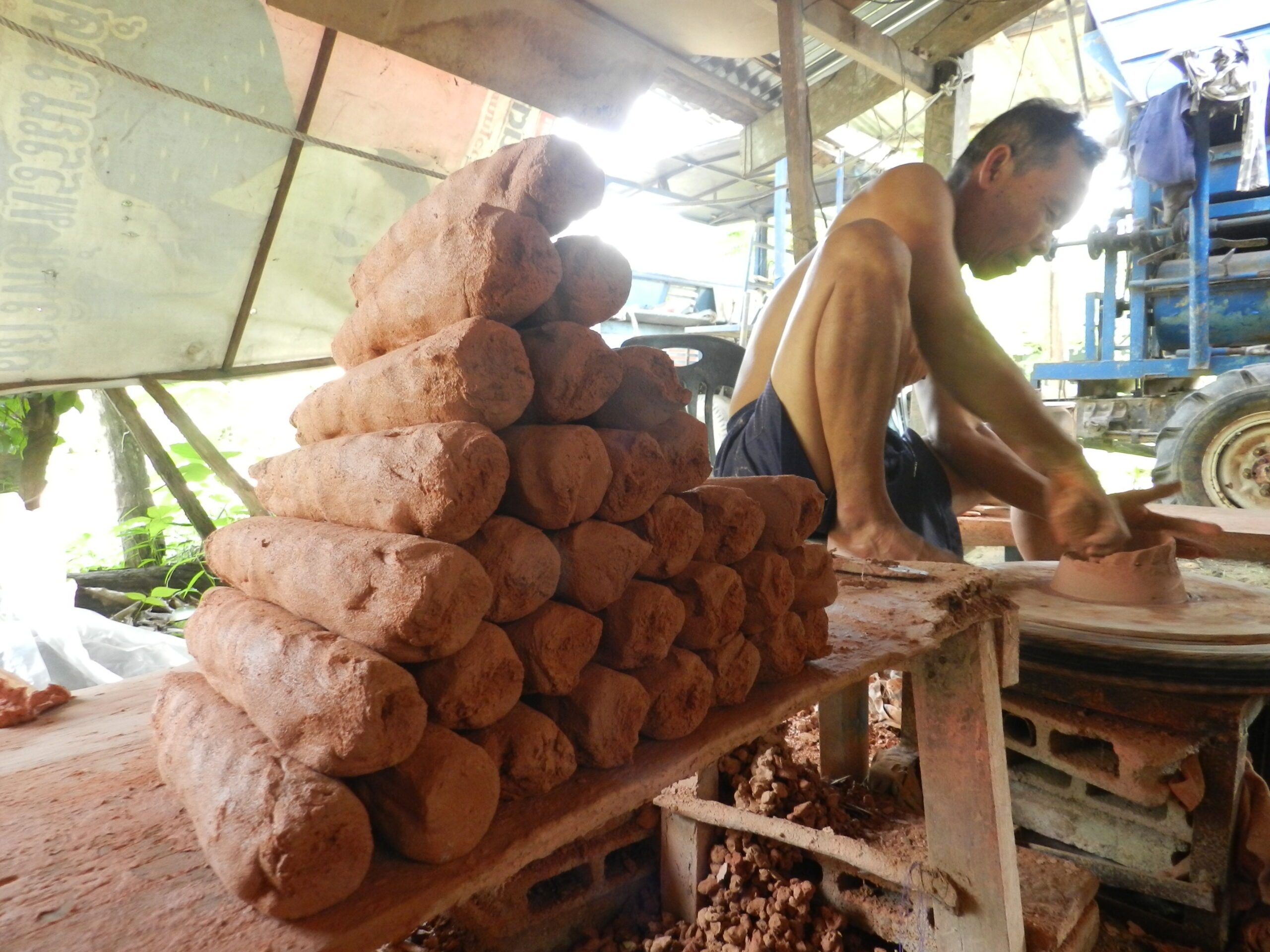
You can see the pot being made with a large coil. The mass of clay on the wheel is coiled into place. This serves a function similar to wedging and helps eliminate airbubbles and homogenize the clay. Like other Isaan stoneware potteries the water jar was likely historically the primary product. Coil throwing is very efficient and effective on large jar shapes.
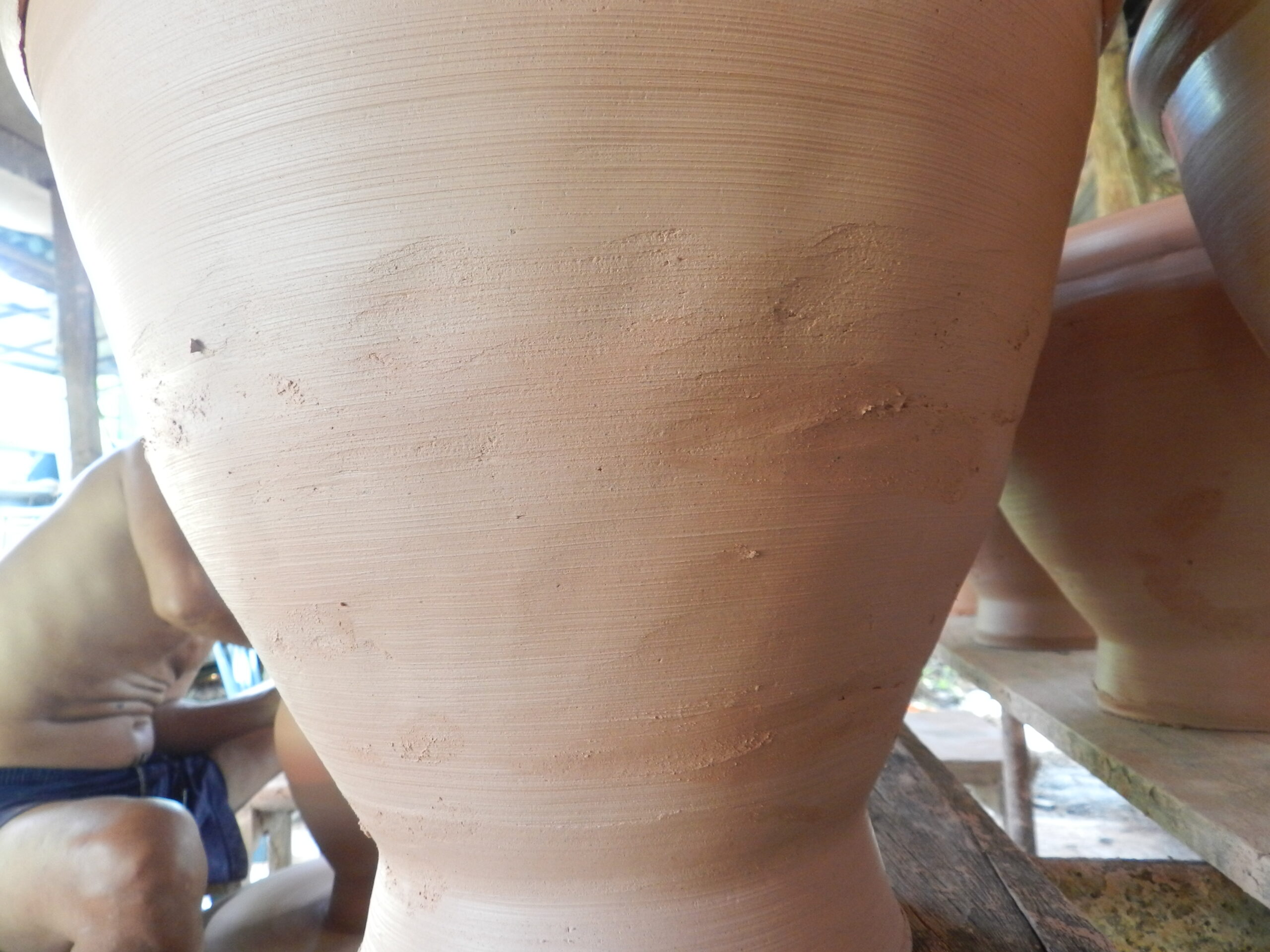
You can see the chattering from ribbing the outside.
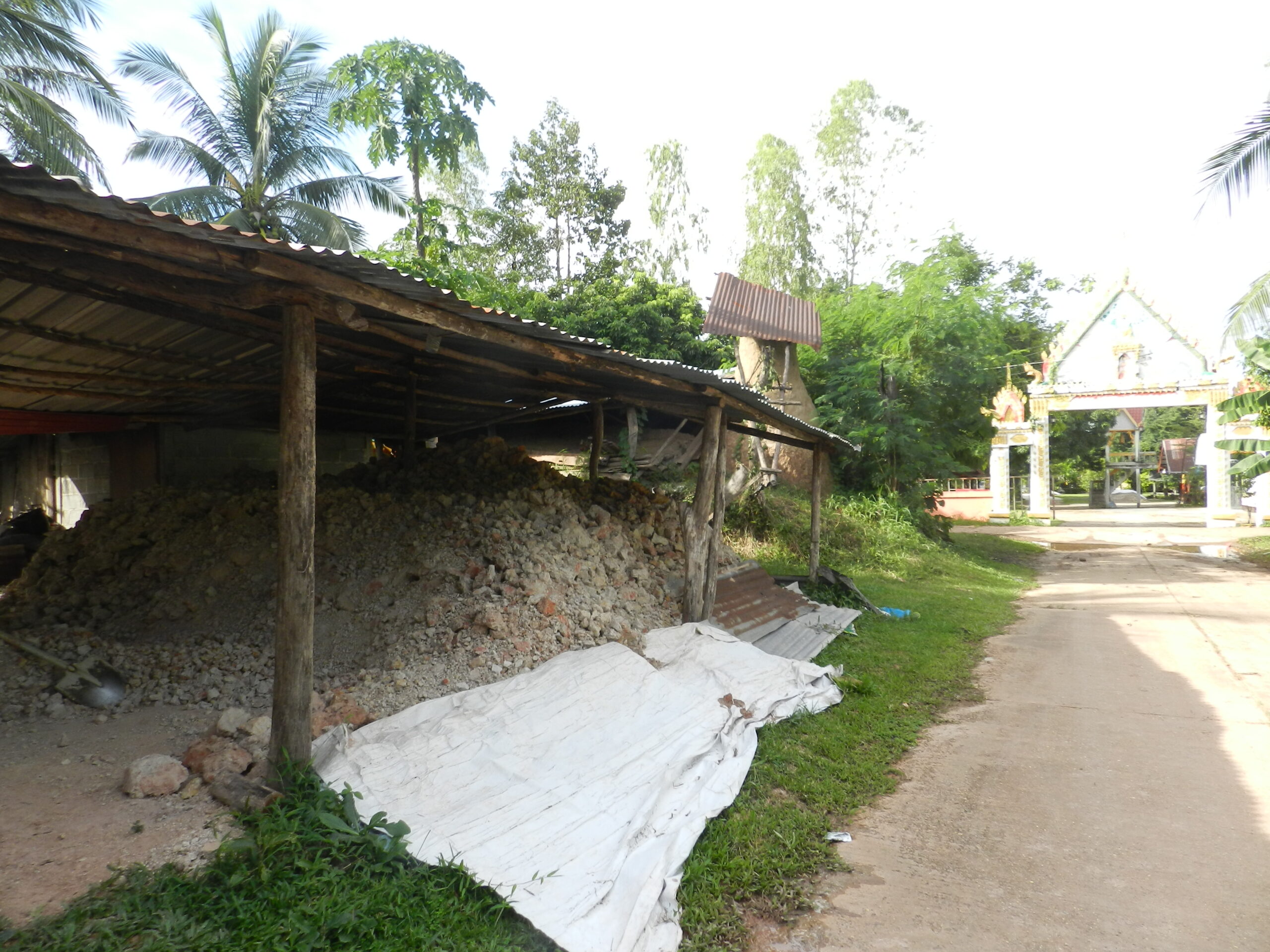
A clay storage shed and temple entrance.
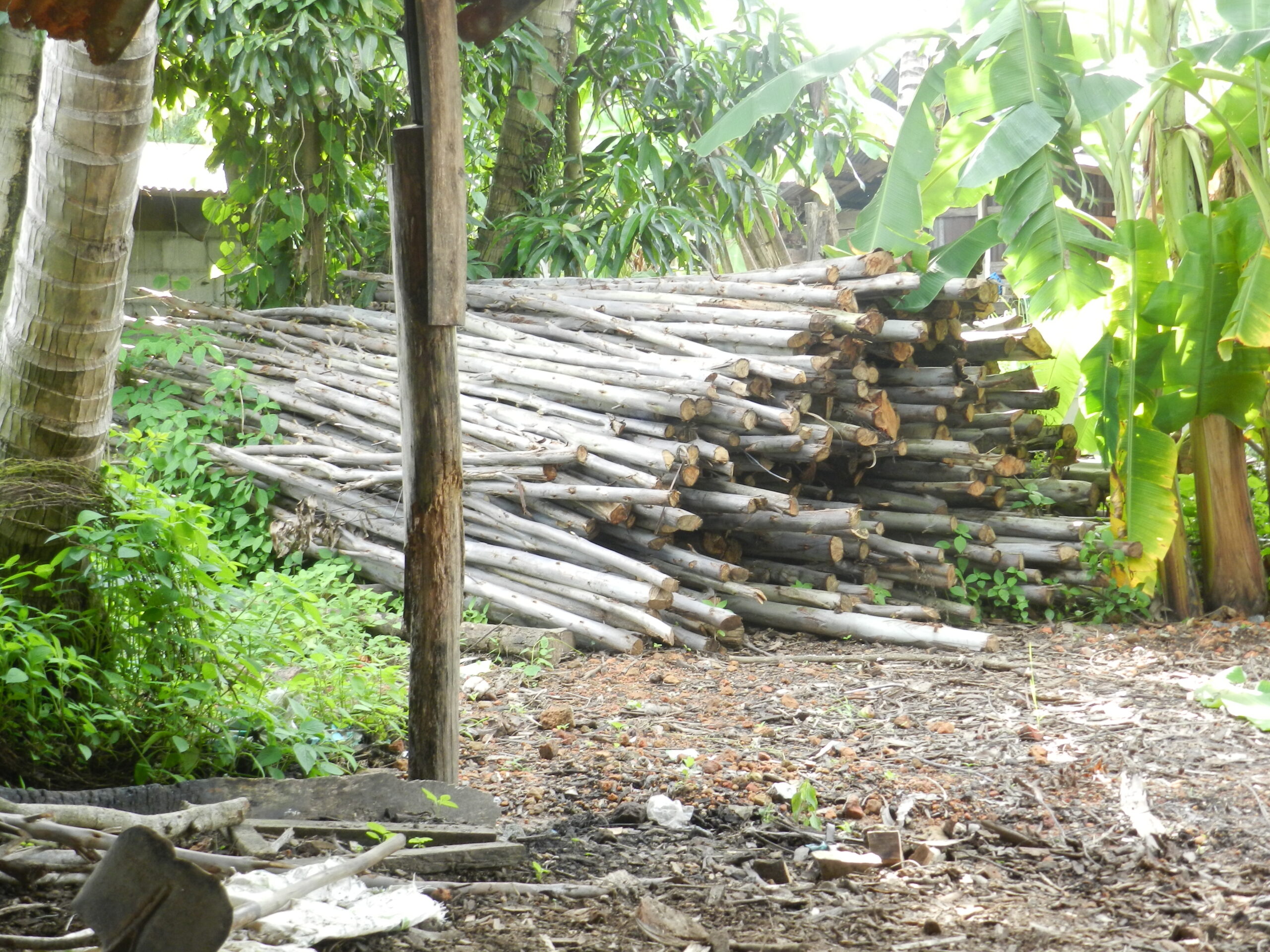
These are the tops of eucalyptus trees. They are planted and sold as a source of pulp wood. The tops, thin and not dense are seen as a byproduct. They are often used as cheap temprorary construction wood.
The ash of Eucalyptus tends to long on magnesium and does not melt well at the low stoneware temps (I imagine cone 7-8) that these mortars are fired to.
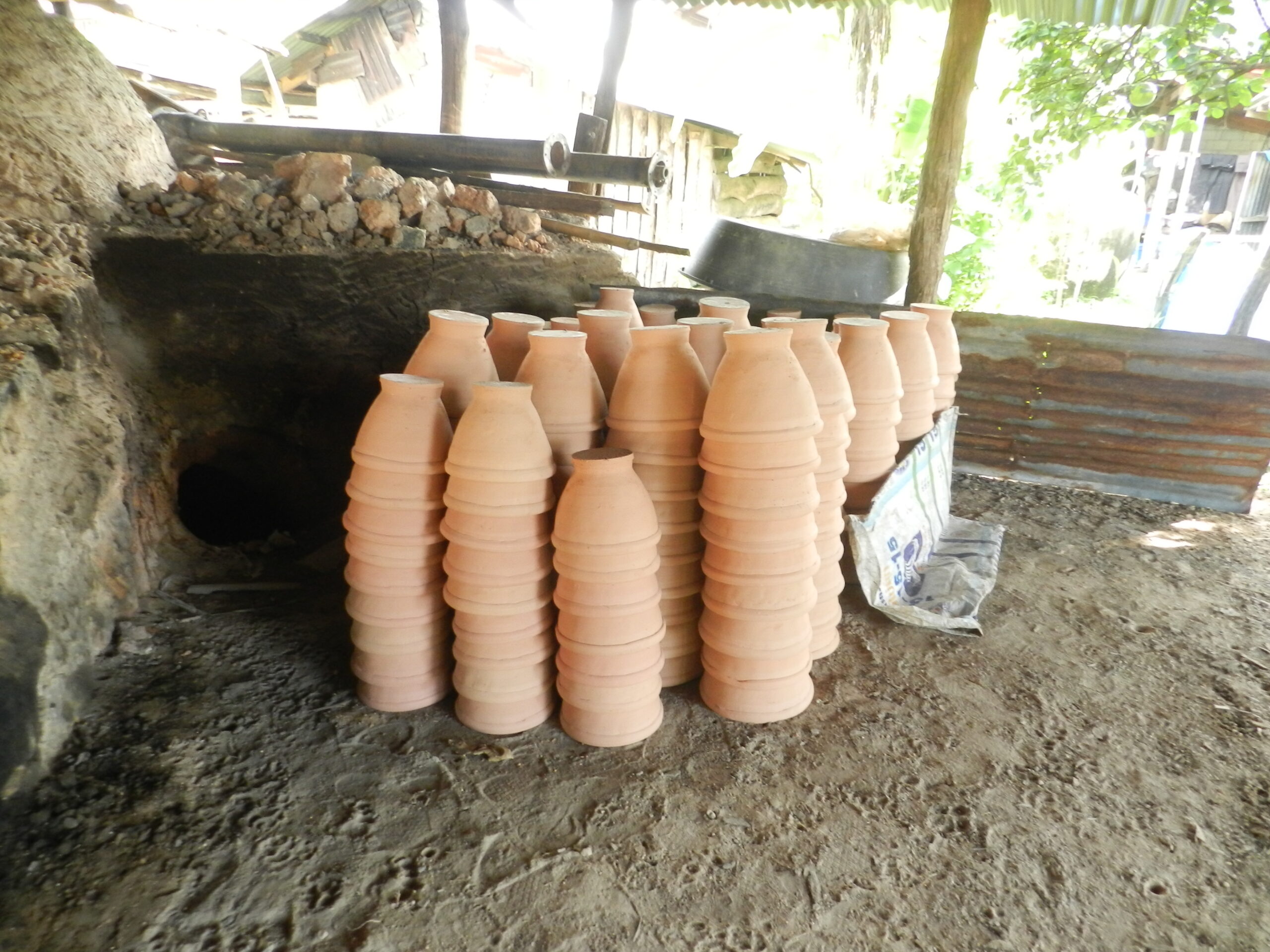
These look bisqued. But I expect that they are not intentionally fired this cool but just underfired and awaiting refire.
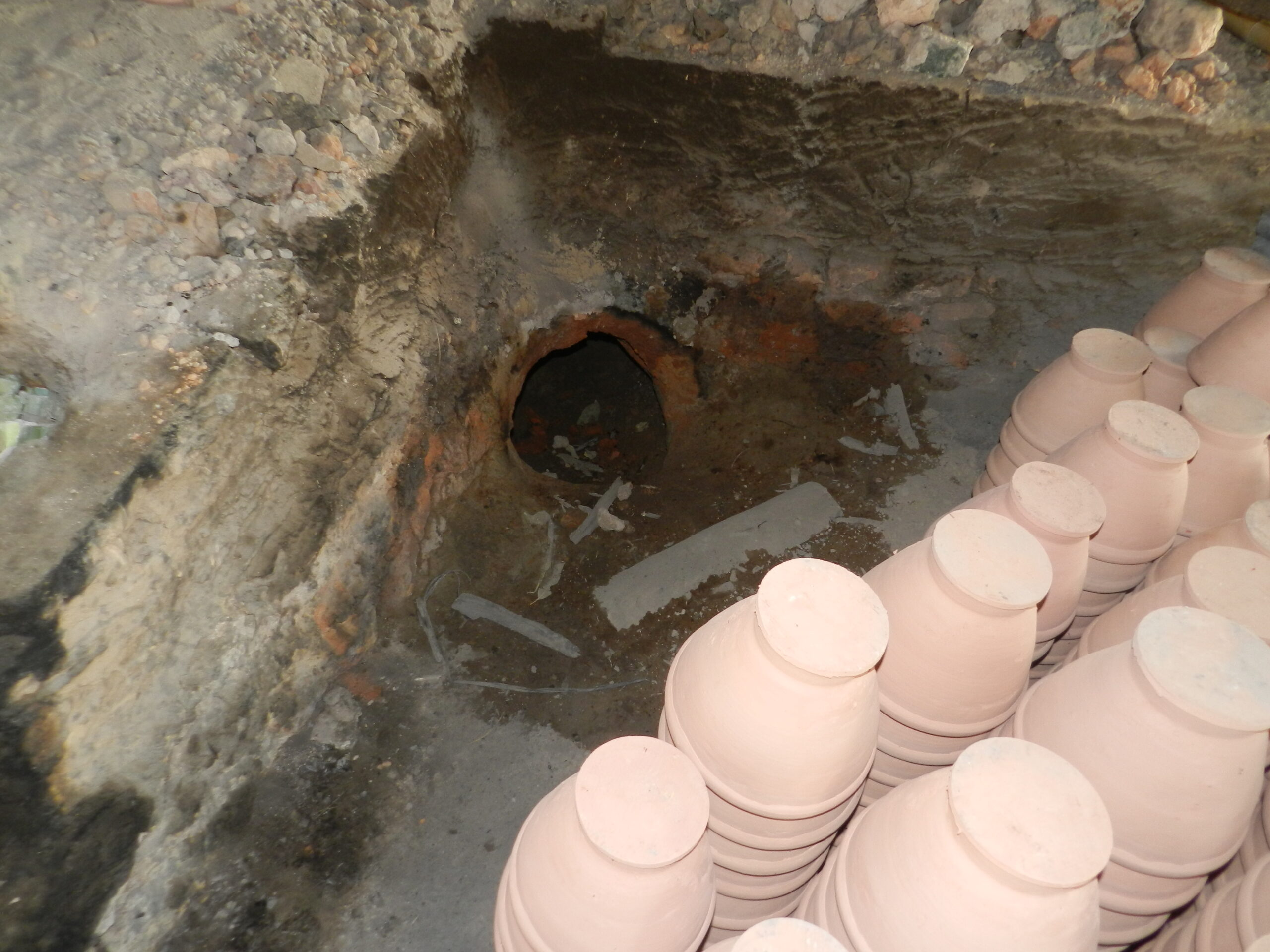
Firemouth.
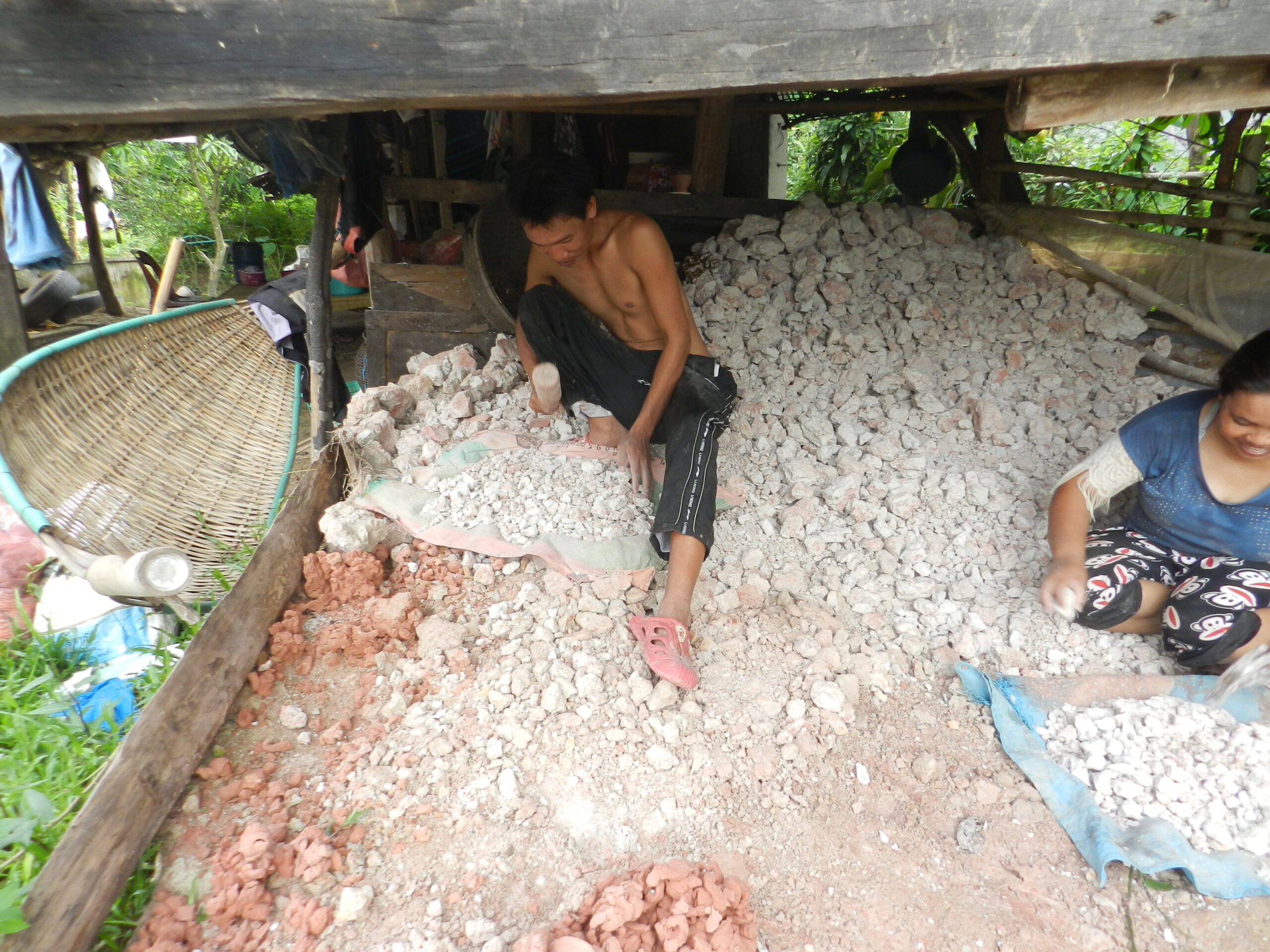
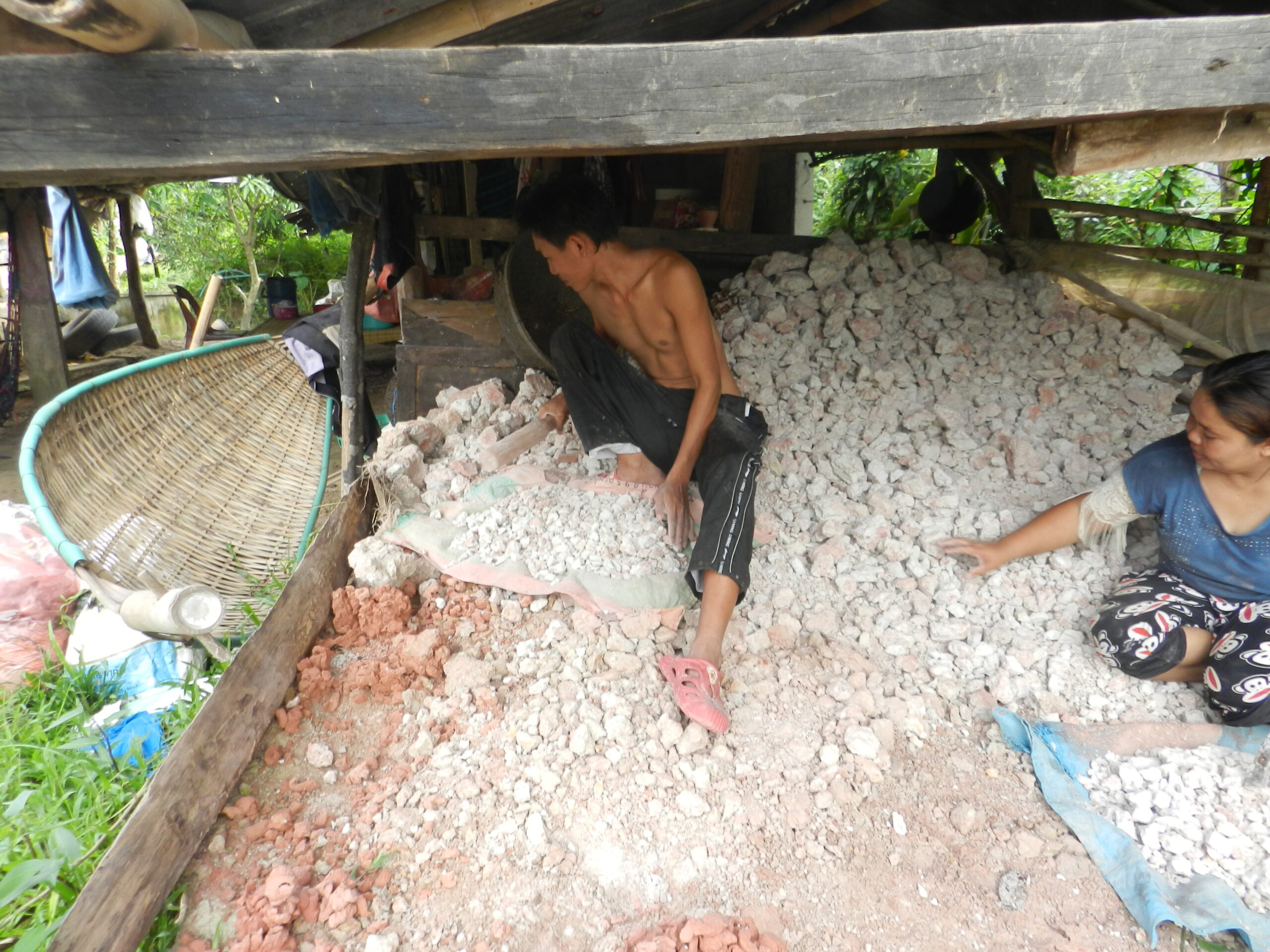
getting the clay ready to slake. Large chunks of dry raw clay often do not slake well and need to be decreased in size before being added to water. It depends on the clay.
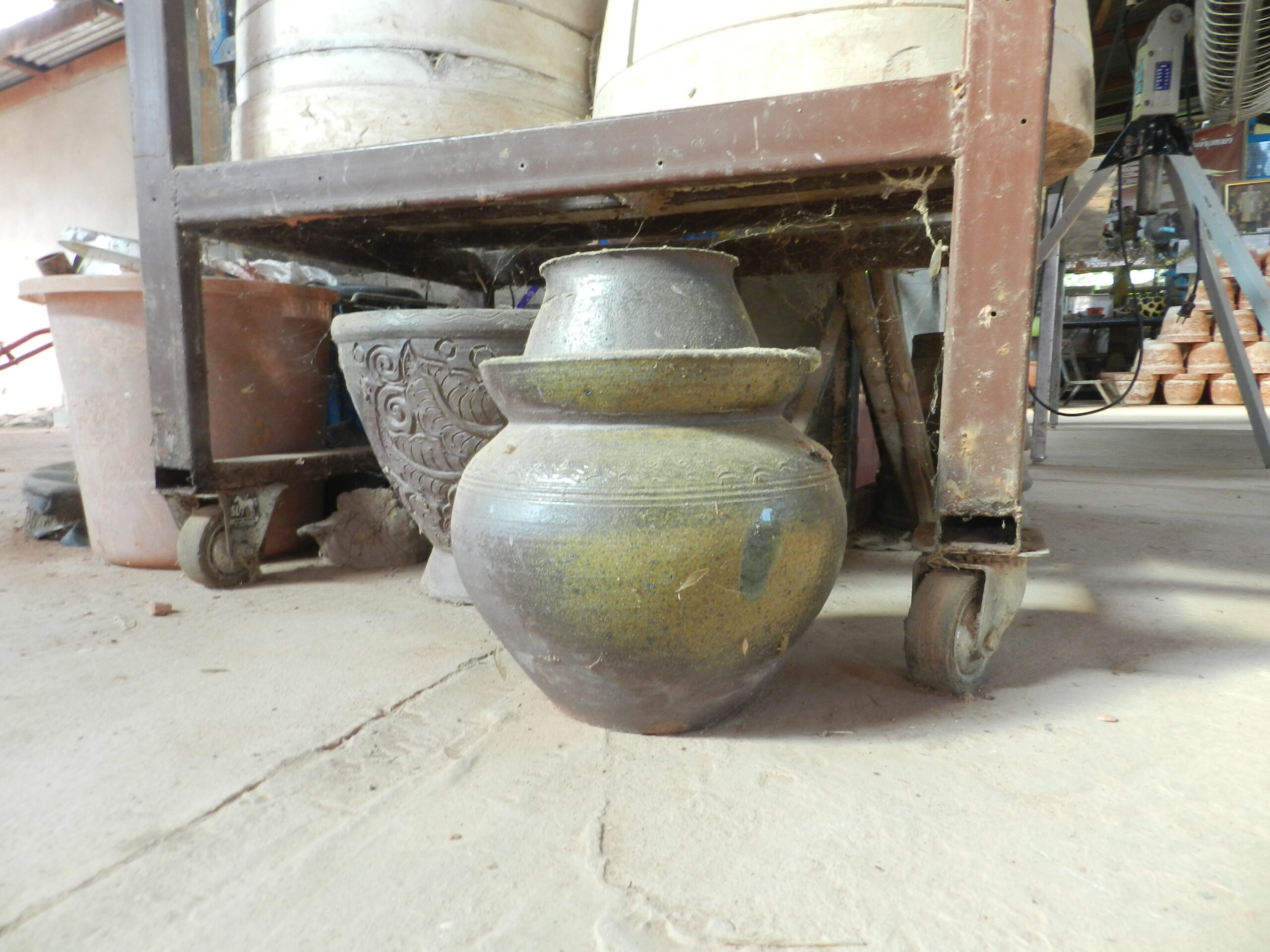
A small fermentation crock.This container style has a double rim with a valley that can be filled with woodash and a pot that can be placed rim down into the woodash. The woodash creates an insect barrier. In Thailand these are usually used for making fishpaste, the Thai version of Garum.
The yellow green on the outside of this is from ash being blown against the pot. The parts of the ash that make this coloration are the alkaline earth oxides magnesia and calcia. The surface is low on silica. If left for several firings more silica would dissolve into the glaze. There is also a drip from the ceiling that is more blue in color. It likely has dissolved lots of silica from the brick in the ceiling.
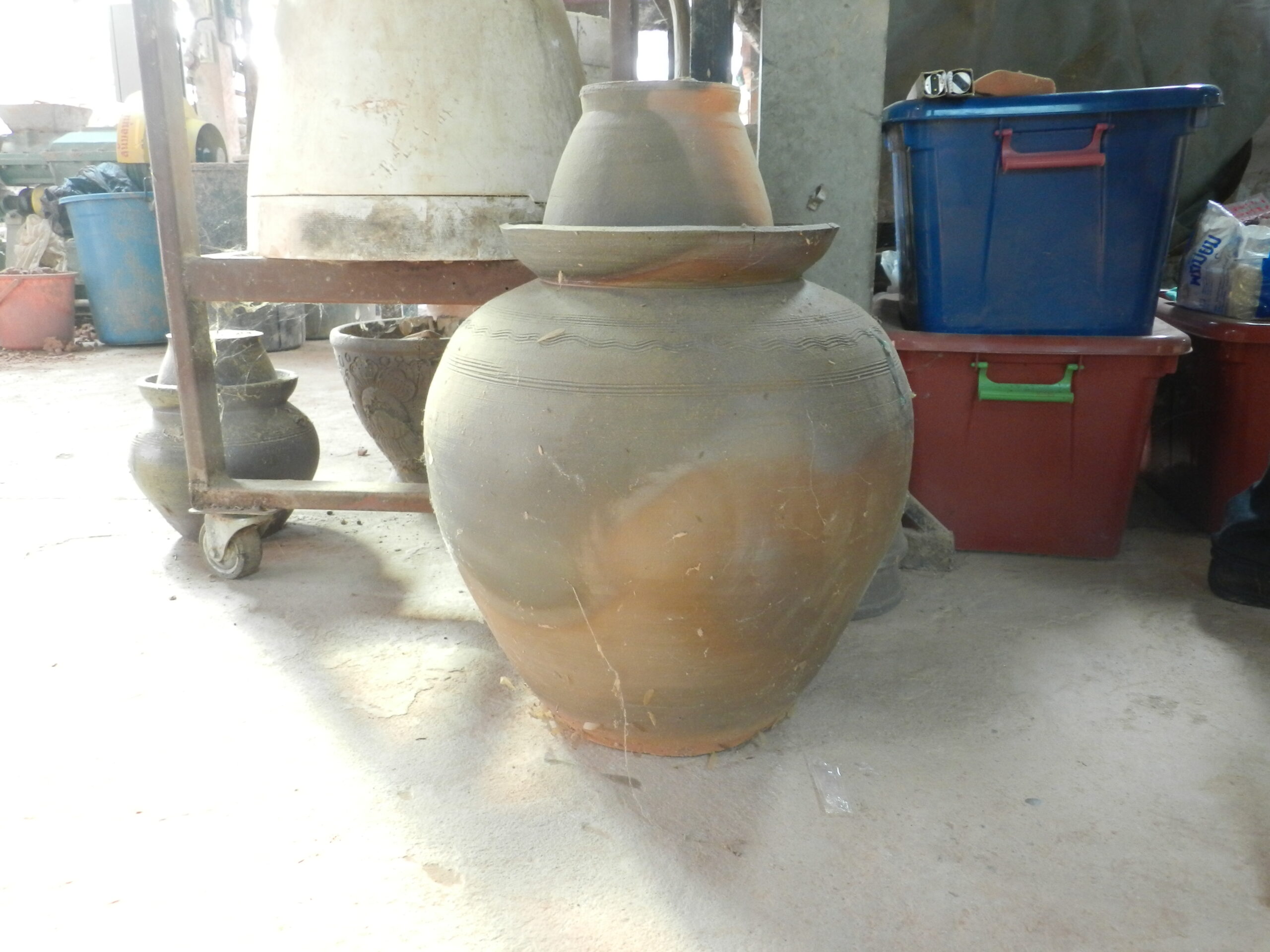
This larger fermentation jar is not fired as hot. It likely is more porous.
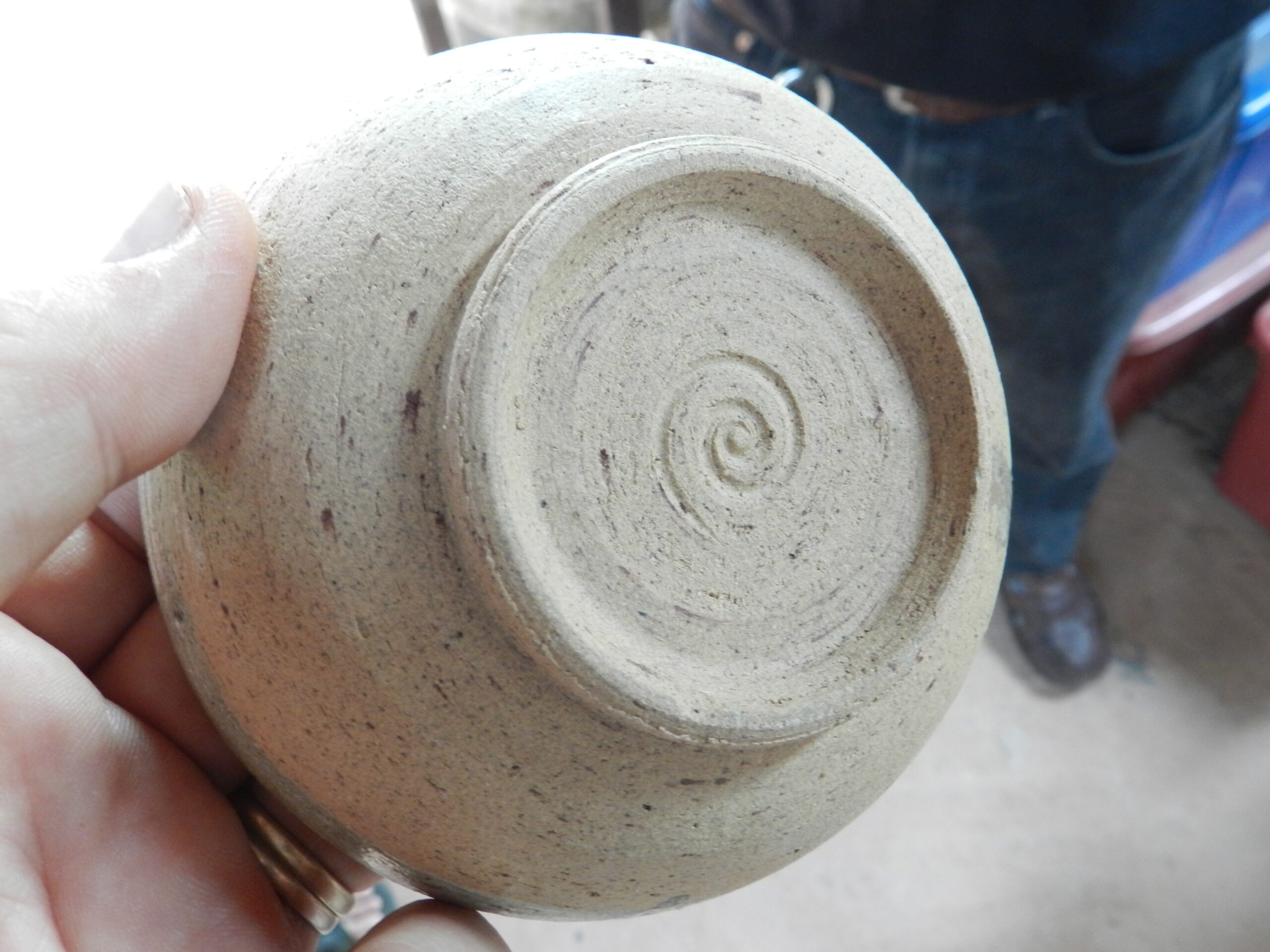
A trimmed foot in Baan Klang.
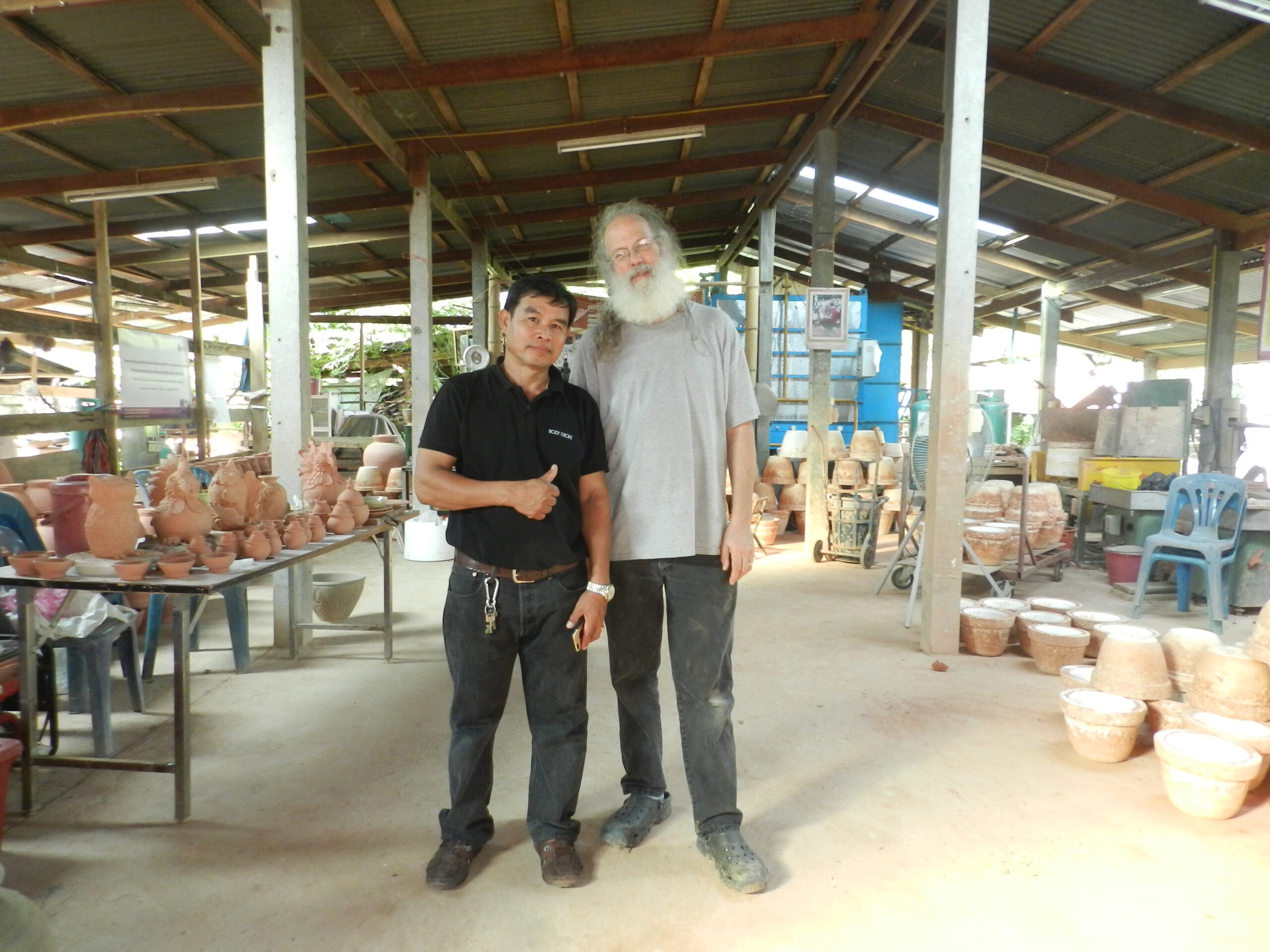
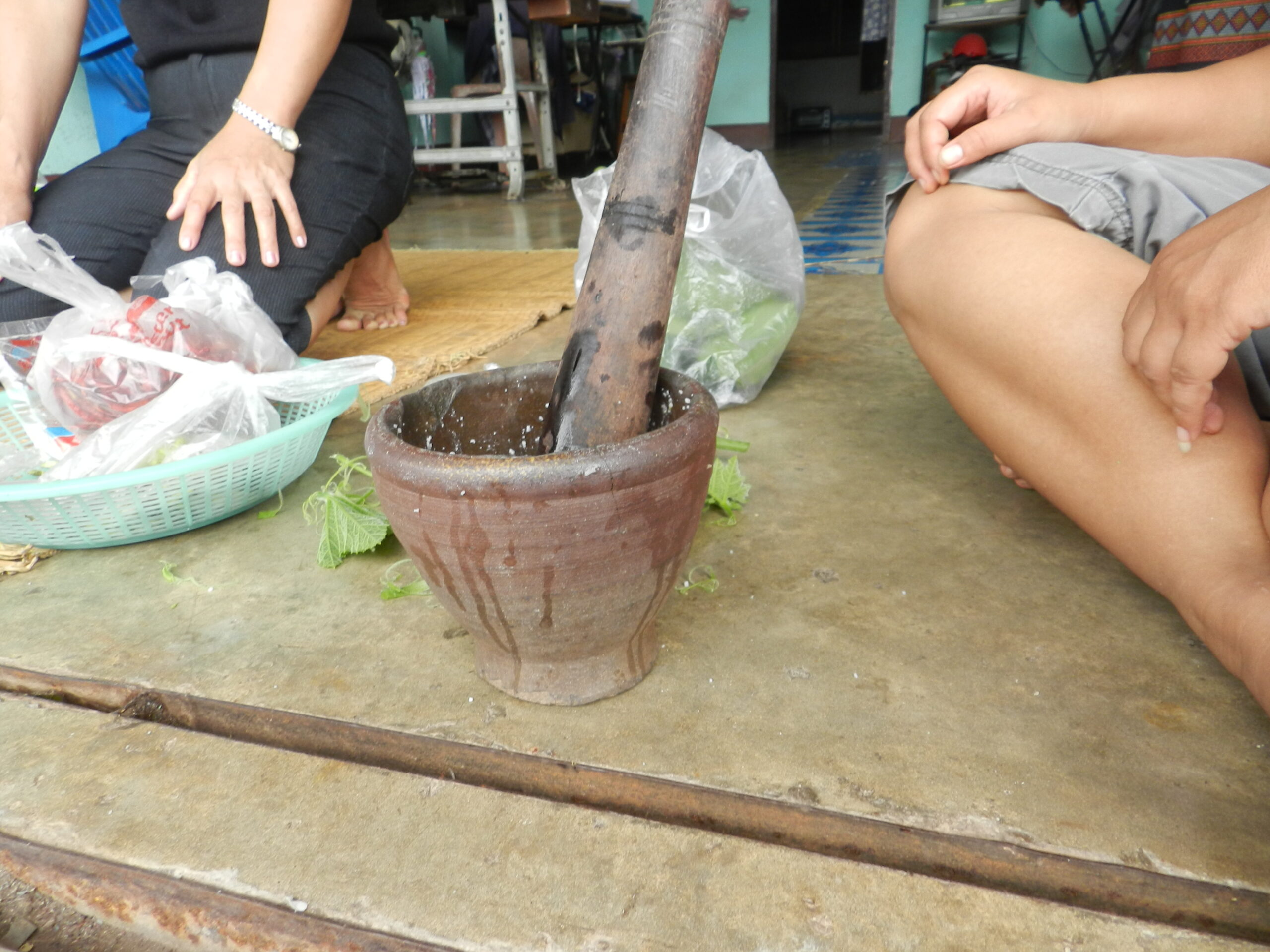
2017 Nakon Phanom, A mortar in use.